


 The TechQuilt
 The Google vs Epic Games lawsuit just shook the tech world—and it’s all your readers need to know. This landmark antitrust case now paves the way for real competition on Android—and it’s a story too compelling to skip.
Why It Matters
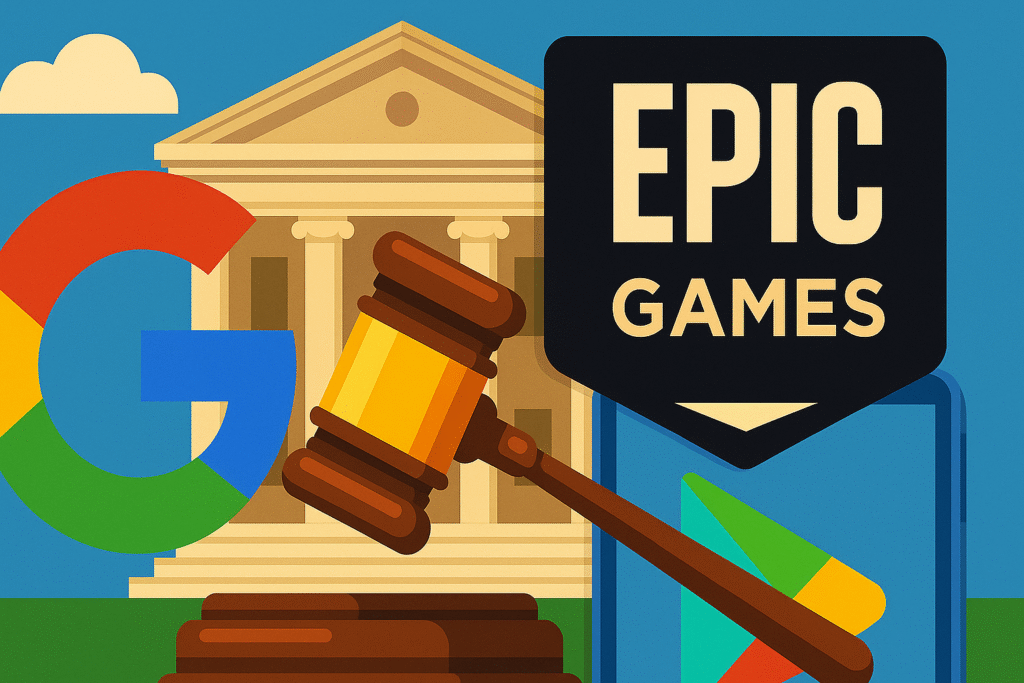
Epic Games, the studio behind Fortnite, sued Google back in 2020, arguing Google held a monopoly over Android app distribution and in‑app payments by forcing developers to use the Play Store and its billing system. Google charges developers 15–30% fees on purchases.
How the Lawsuit Unfolded
Epic launched “Project Liberty”, secretly shipping a version of Fortnite that bypassed Google Play Billing. Google immediately removed Fortnite, and Epic filed suit the same day.
The case included evidence of secret deals between Google and phone makers and developers (known as Project Hug and Project Banyan), showing how Google allegedly locked out competitors.
Pro‑competition groups like the U.S. DOJ, FTC, Microsoft, and the Coalition for App Fairness had backed Epic’s claims in court.
For developers and consumers, this is huge. Users may soon install alternative app stores easily. Developers can choose billing systems and avoid 30% fees. This could inject innovation and pricing flexibility into Android's ecosystem.
What This Means for Readers
- Game developers get more freedom and lower fees.
- Android users may see more app marketplaces, pricing options, and innovate apps.
- Competing firms like Microsoft or Amazon could launch their own stores within Google’s ecosystem—giving them more reach.
- It sets a powerful legal precedent for future antitrust cases in tech.
If you want more details, check out the original court documents and reporting from our source site. The article provides thorough analysis on the Google vs Epic Games lawsuit and the broader consequences of this antitrust ruling
Conclusion
In summary, the Google vs Epic Games lawsuit is not just a tech legal battle—it’s a turning point. After years of litigation, the court declared Google’s Play Store ecosystem an illegal monopoly and forced reforms that unlocked Android. Epic’s win could lead to a more open, competitive, and innovative future for app distribution. For developers and Android users alike, this opens new doors. Google’s appeal may continue—but now the changes are unstoppable.
 Avik Roy Chowdhury