

 The TechQuilt
 Is Comet 3I, Atlas Alien-Made, NASA Rejects Harvard Astronomer’s Claims
Highlights
- Comet 3I, Atlas is only the third confirmed interstellar object to visit our solar system.
- Harvard astronomer Avi Loeb proposed a speculative hypothesis that the object might be engineered.
- NASA scientists have examined observations and say the object behaves like a natural comet, not an artificial craft.
A rare visitor, and a bold claim
Comet 3I, Atlas was discovered on July 1 by the Atlas survey telescope in Chile, and astronomers quickly realized it was no ordinary comet. Its speed and trajectory identified it as an interstellar visitor, only the third such object recorded entering our solar system. That rarity made every observation valuable, and it also opened the door to speculation.
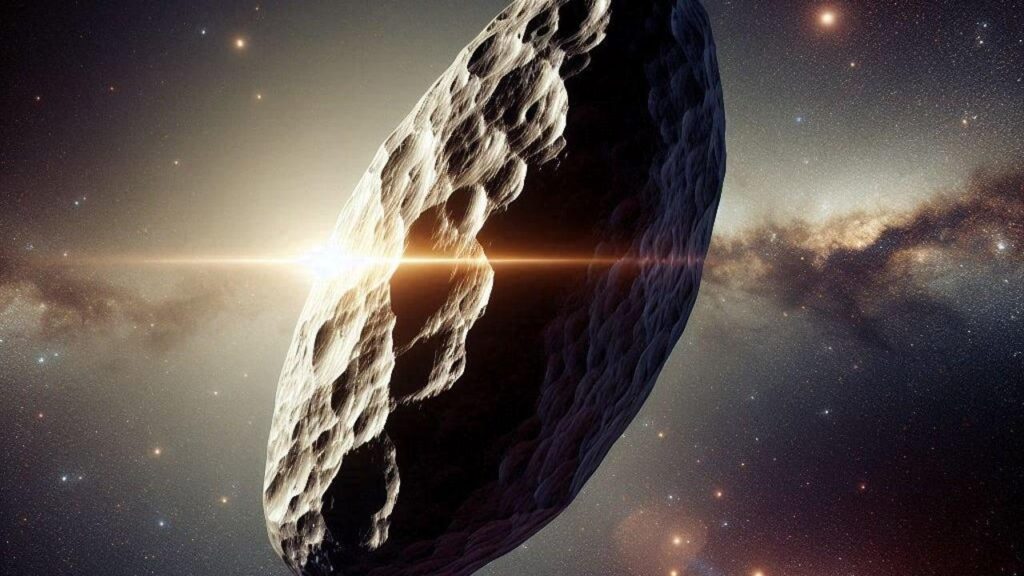
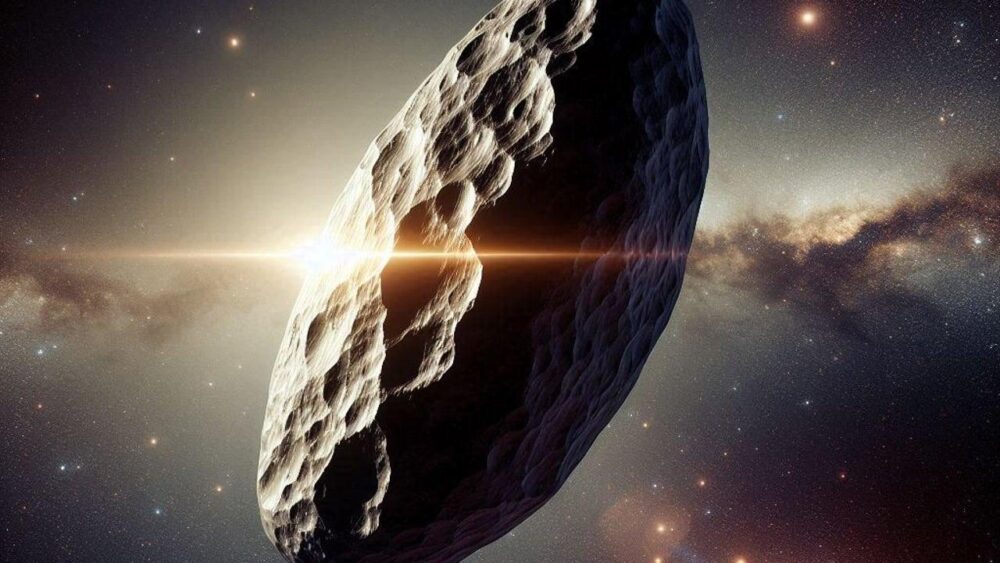
Avi Loeb’s hypothesis, framed as a thought experiment
Harvard astronomer Avi Loeb sparked debate by suggesting the comet’s unusual behaviour, including a weak or absent visible tail in early observations, could be interpreted as signs of an engineered object. Loeb framed his suggestion as a hypothesis worth testing, saying unusual data deserve scrutiny rather than dismissal. His point was not a definitive claim, but a call for careful follow up.
NASA responds, science first
NASA scientists reviewed ground based and space telescope images and data, and disagreed with the engineered object idea. Tom Statler, NASA’s lead scientist for small solar system bodies, summarized the agency’s view that the object “looks like a comet” and behaves like comets we know, even if some of its properties are a bit different. The agency emphasized that natural processes, like pockets of ice sublimating and driving dust release, can create unusual, unpredictable behavior in comets.
What the telescopes show
Hubble Space Telescope imagery helped constrain size and speed estimates, indicating the object could be several miles across and is moving at an extreme velocity, consistent with an origin outside our solar system. Those measurements strengthen the classification of 3I, Atlas as an interstellar comet, rather than an object under active control.
No threat to Earth, and a scientific opportunity
NASA confirmed 3I, Atlas poses no danger to Earth, and its path will bring it closer to other planets such as Mars, Jupiter and Venus, rather than our planet. Rather than a menace, scientists see a rare opportunity to study material formed around another star. Each interstellar visitor offers a unique window into how other planetary systems form and evolve.
Why this matters, beyond headlines
The episode shows how scientific curiosity and public attention can collide. Bold suggestions capture headlines, but rigorous follow up and peer review are how science separates speculation from evidence. Whether or not 3I, Atlas turns out to be anything more than a natural comet, the conversation has highlighted the value of rapid, careful observations and open scientific debate.
Conclusion
Comet 3I, Atlas is a rare interstellar visitor that invited speculation. Harvard’s Avi Loeb offered an unconventional hypothesis, but NASA’s analysis supports a natural cometary explanation. The real win is scientific: every such visitor improves our understanding of other star systems, and the debate underscores the value of careful observation over quick conclusions.

 Avik Roy Chowdhury