



 The TechQuilt
 H1B Visa Fee Hike 2025, How $100,000 Cost Impacts Indians and IT Companies
Introduction
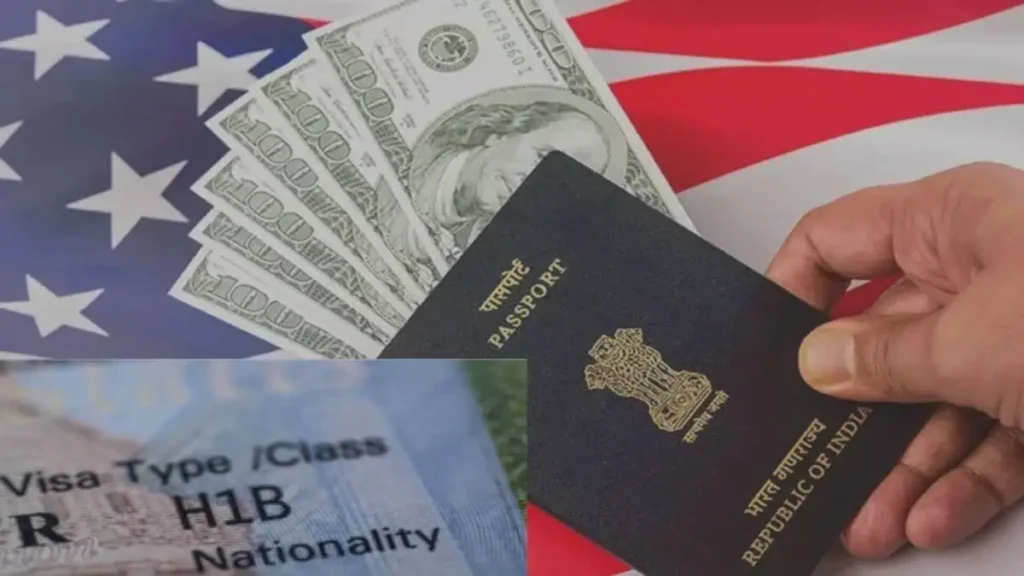
For decades, the H1B visa has been the golden ticket for skilled professionals, especially Indians, to live and work in the United States. Every year, thousands of Indian engineers, IT specialists, and other skilled workers apply for this visa, hoping to secure high-paying jobs and a pathway to permanent residency. But things have taken a shocking turn. The US government has announced a massive H1B visa fee hike, raising the cost from a few hundred dollars to an unbelievable $100,000 per year.
This new policy has set off alarm bells across India’s IT industry and among professionals who dream of working in the US. In this article, we’ll break down what this fee hike means, why Indians are the hardest hit, how companies are reacting, and what it could mean for India’s future workforce.
What Changed in the H1B Visa Process
Until now, the H1B visa fee was fairly manageable, typically a few hundred dollars plus filing costs. Employers who sponsored foreign workers paid this fee to secure their visa applications. But starting September 21, the new fee will be $100,000 per year.
That’s not just a small increase, it’s a game-changing rise that affects every H1B holder, whether they are a software engineer, data analyst, or trainee. Even though the visa duration remains the same (three years with a possible extension to six), the financial burden has skyrocketed.
Why Indians Will Feel the Biggest Impact
Around 70% of all H1B visa holders are Indians. That means every change in this program hits Indian workers harder than any other group.
- Indian IT companies like TCS, Infosys, Wipro, and HCL send thousands of employees to the US each year for client projects. With higher visa fees, these firms may reduce their workforce in the US or pass the costs to clients, making projects less competitive.
- Many young professionals in India use the H1B as a stepping stone to permanent residency and even US citizenship. With costs so high, the dream of settling in the US becomes much harder.
- Families who planned to move to the US for better opportunities will now need to reconsider whether the financial pressure is worth it.
What the US Government Says
The US government argues that the new H1B visa fee is designed to discourage companies from using foreign workers for lower-level jobs. The idea is to push firms to either hire American workers or sponsor only highly skilled, high-paying roles that truly justify the expense.
While this policy may create more opportunities for local workers, critics believe it could also backfire by making it harder for US companies to access global talent that drives innovation and growth.
How This Will Affect India’s Tech Industry
The Indian IT industry is one of the largest beneficiaries of the H1B visa program. Every year, companies send thousands of skilled engineers to the US to manage on-site projects. With the new fee structure:
- Costs will rise sharply for companies that depend on H1B employees.
- Fewer visas may be filed, reducing the number of Indian workers traveling to the US.
- Remote work may increase, as firms may prefer keeping employees in India rather than paying huge visa costs.
- Opportunities may grow at home as talent that once migrated to the US stays in India, boosting the local startup and tech ecosystem.
Challenges Ahead
This fee hike takes effect immediately, leaving companies and employees with little time to adjust. There are also uncertainties about whether exemptions or legal challenges might change the rules later. For now, professionals must prepare for a more competitive and expensive visa process.
Another challenge is the exchange rate impact. With the Indian rupee weaker against the US dollar, the cost burden feels even heavier for Indian workers and firms.
Conclusion
The H1B visa fee hike to $100,000 is more than just a policy change—it’s a barrier that reshapes global hiring and migration. Indians, who make up the majority of H1B holders, will be the most affected. From IT companies that rely on onsite staff to individuals chasing the American dream, the impact will be huge and long-lasting.
Yet, there’s a silver lining. With fewer people moving abroad, India’s own tech industry could see a surge in talent and innovation. Professionals should focus on building high-demand skills, exploring global remote opportunities, and staying updated on visa policy changes.
The dream of working in the US is not over, but it is now far more expensive and competitive. For many Indians, the real question is, should they continue chasing the American dream, or build a brighter future right here in India?

 Avik Roy Chowdhury