



 The TechQuilt
 Could Our Solar System Be Hiding Another Planet? The Mystery of Planet Y
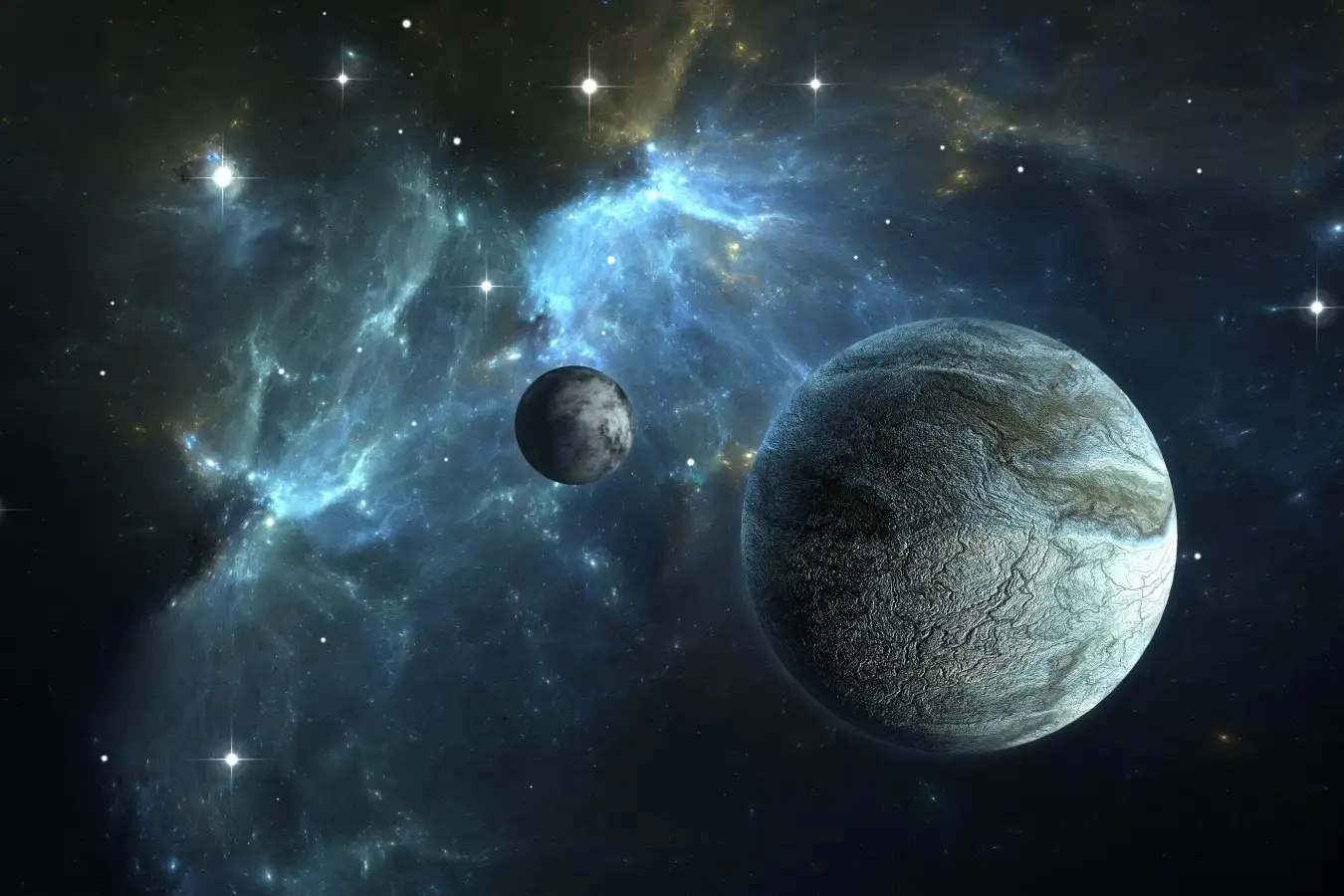
Have you ever imagined that our solar system might still have secrets waiting to be discovered? Recent studies suggest there could be a hidden planet in our solar system, far beyond Neptune, that astronomers call Planet Y. This mysterious world could completely change how we understand the outer reaches of space.
Strange Orbits Hint at a Hidden World
Scientists have long studied icy objects orbiting beyond Neptune, known as trans-Neptunian objects (TNOs). Many of these bodies follow oddly stretched orbits that seem to cluster in one direction. Such patterns suggest a gravitational pull from an unseen planet, a world massive enough to shape their orbits.
Recently, astronomers discovered a distant object called 2017 OF201, orbiting far beyond Neptune. Its strange, tilted path adds more intrigue to the mystery. Although it doesn’t perfectly fit existing models, it strengthens the case that there might be more unseen bodies, possibly a hidden planet, in that region of space.
The Search for Planet Y
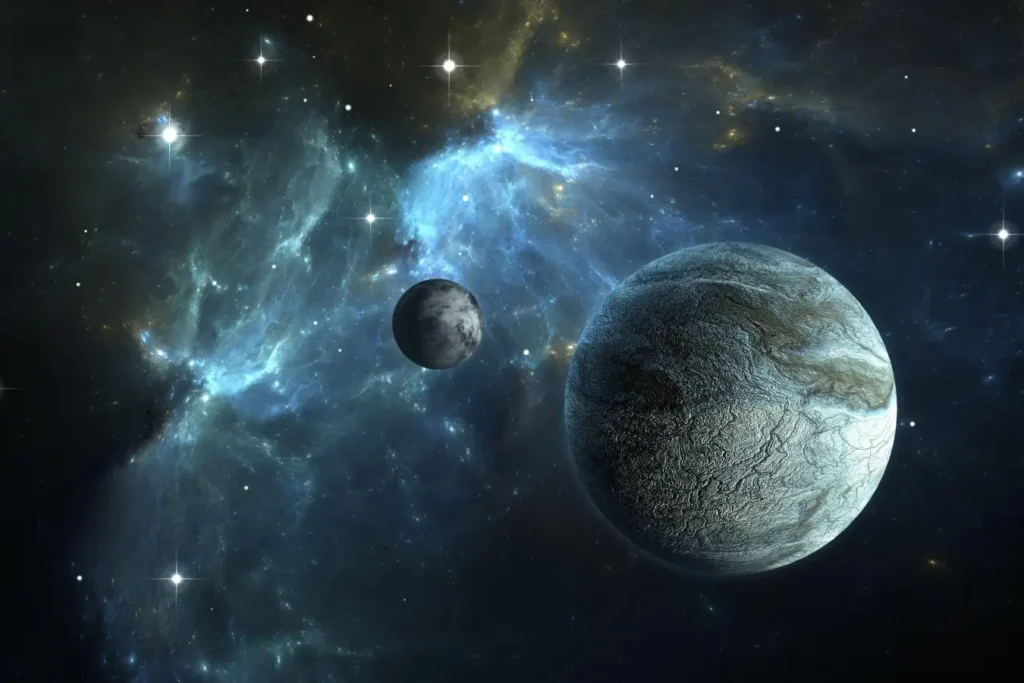
Some researchers believe Planet Y could be larger than Mercury but incredibly difficult to detect due to its distance and faintness. It might take thousands of years to orbit the Sun even once, making direct observation nearly impossible with current telescopes.
Computer models suggest that if Planet Y exists, its gravitational force could explain why many far-flung TNOs move in such synchronized patterns. However, until astronomers spot it directly, Planet Y remains one of the greatest unsolved mysteries in modern astronomy.
Clues from Distant Discoveries
Apart from 2017 OF201, another faraway body called Ammonite (2023 KQ14) has captured scientists’ attention. This object travels on an extremely long, elliptical orbit: so stretched that it challenges old theories of how the solar system formed.
Interestingly, Ammonite’s orbit doesn’t match the alignment of other extreme TNOs, creating even more questions. Instead of disproving Planet Y, this difference suggests the outer solar system might be more complex and chaotic than we thought.
Why Planet Y Is So Hard to Find
Finding a new planet in the solar system is no easy task. Any such world would lie dozens of times farther from the Sun than Neptune. The sunlight reaching it would be so weak that the planet would appear almost invisible, even in the most powerful telescopes.
Additionally, because its orbit might last tens of thousands of years, scientists can only see a tiny fraction of its path. Much of the outer solar system also remains poorly mapped, so Planet Y could already be hiding in archived telescope data, waiting to be noticed.
Why It Matters
Discovering Planet Y would be one of the biggest astronomical breakthroughs of the century. It would force scientists to rethink how our solar system formed and how planets migrate over time. It could also change how we search for hidden planets in other star systems, showing that even our own cosmic backyard still holds surprises.
Moreover, the hunt for Planet Y demonstrates the power of modern astronomy: a mix of advanced telescopes, computer simulations, and global collaboration. Even amateur astronomers play a part by re-examining sky images and tracking faint moving dots across the heavens.
Conclusion
The mystery of Planet Y keeps growing with every new discovery. Objects like 2017 OF201 and Ammonite prove that the edges of our solar system are far from fully explored. If Planet Y truly exists, finding it would reshape our understanding of space and prove that even after centuries of exploration, the universe still has secrets to reveal.
Until then, astronomers continue to scan the sky, one observation at a time and hoping that the next faint light they find could finally uncover the hidden planet of our solar system.

 Avik Roy Chowdhury