


 The TechQuilt
 Australia’s Under 16 Social Media Ban: Full List of Apps Blocked and What Parents Must Know
Australia has officially hit the delete button for millions of young users.
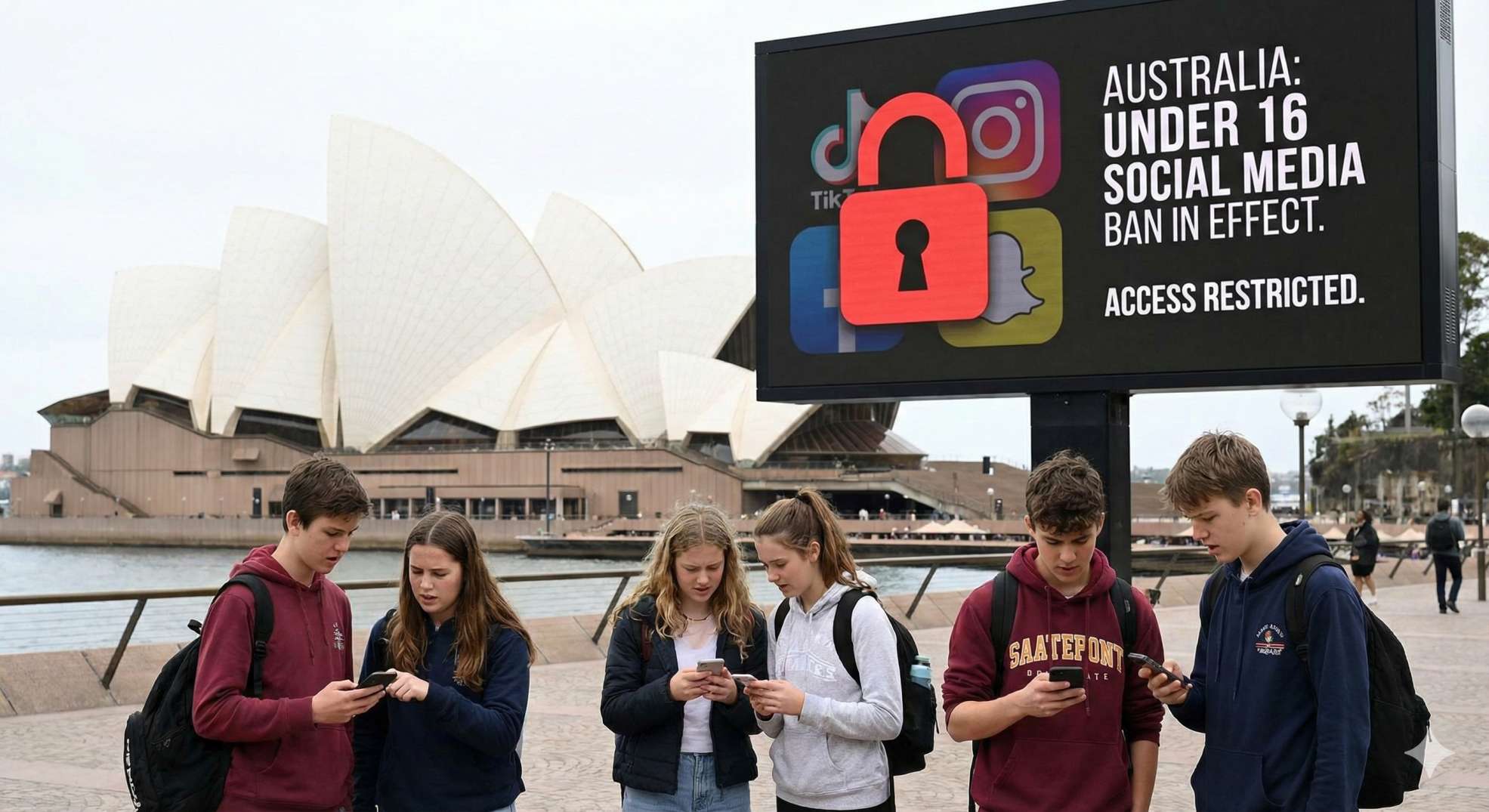
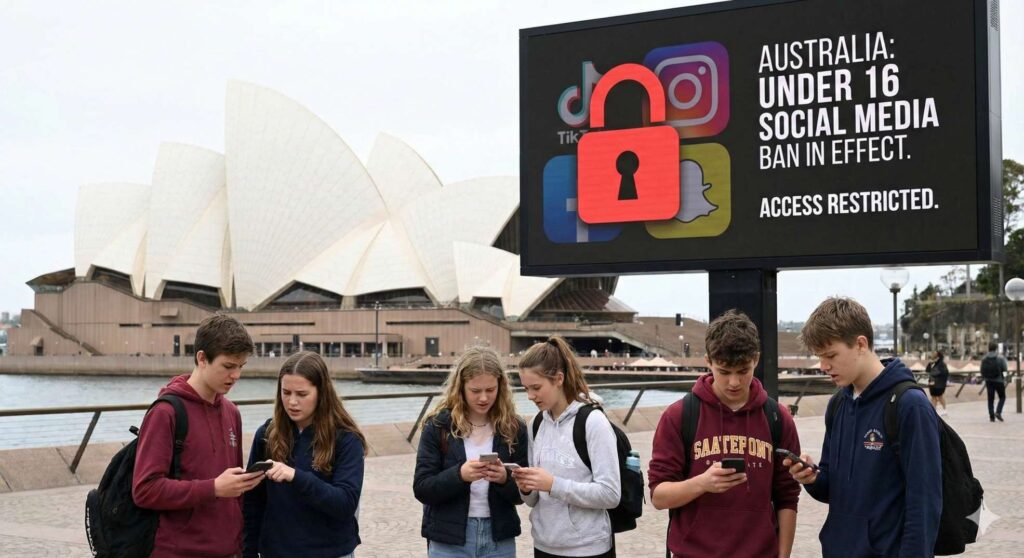
Imagine waking up to find your favorite digital hangouts locked. For teenagers across Australia, this is no longer a dystopian nightmare but a stark reality as of December 10, 2025. In a world-first move that has grabbed global attention, the Australian government has enforced a strict social media ban for anyone under the age of 16. If you are a parent, a teenager, or just a concerned digital citizen, you need to understand exactly what this new legislation means, which apps are gone, and what is still safe to use.
This historic decision marks a major shift in how we handle online safety. The government argues that social media harms mental health and exposes kids to bullying, so they have decided to step in. But what does this actually look like for the average Aussie family? Let’s dive into the details of the “Australia social media ban” and see which platforms have made the restricted list.
Which Apps Are Banned for Under 16s?
The most burning question for everyone is simply: what is blocked? The legislation targets platforms that focus heavily on social interaction and algorithmic feeds. As a result, the most popular apps in the world are now off-limits to Australian teens under 16.
The confirmed list of banned apps includes TikTok, Facebook, Instagram, Snapchat, X (formerly Twitter), Reddit, YouTube, Twitch, Kick, and Threads.
If your child tries to log into these platforms, they will likely face an age verification check. Companies are using technology to estimate age or asking for identification. If a user is identified as being under the cutoff age, their account will be deactivated or locked until they turn 16. It is important to note that the law places the burden on the tech giants, not the users. This means you or your child will not be fined for trying to access these apps, but the companies themselves face massive penalties of up to $49.5 million if they fail to enforce the rules.
What Is Still Allowed?
Not every corner of the internet is shutting down. The government recognizes that digital connection is vital for education and family communication. Therefore, several key platforms remain accessible.
Exemptions include YouTube Kids, WhatsApp, Messenger Kids, Google Classroom, and Kids Helpline. Additionally, gaming platforms like Roblox and creative sites like Pinterest are currently considered lower risk and remain available for now. This ensures that while the “doom scrolling” is curtailed, the ability to chat with grandparents or do homework remains intact.
Why This Is Happening and What Comes Next
This ban is effectively a massive global experiment. Supporters say it will restore childhood and get kids back onto sports fields and into books. Critics, however, argue it might push teens to darker, less regulated corners of the web. Regardless of where you stand, the landscape of the internet in Australia has changed forever.
For a deeper dive into the specific rollout and reaction to this legislation, you can read more in this detailed report on how the Australia under 16 social media ban begins which covers the immediate impacts observed across the country.
Conclusion
Australia has drawn a line in the digital sand. By restricting access to major platforms like TikTok and Instagram, the nation is prioritizing mental health over digital connectivity for its youth. As families navigate this new normal, the world watches closely to see if this bold strategy actually works. Will it create a happier, healthier generation, or will tech-savvy teens find a workaround? Only time will tell.
 Avik Roy Chowdhury