
 The TechQuilt
 The Darkest Day for VR Gaming
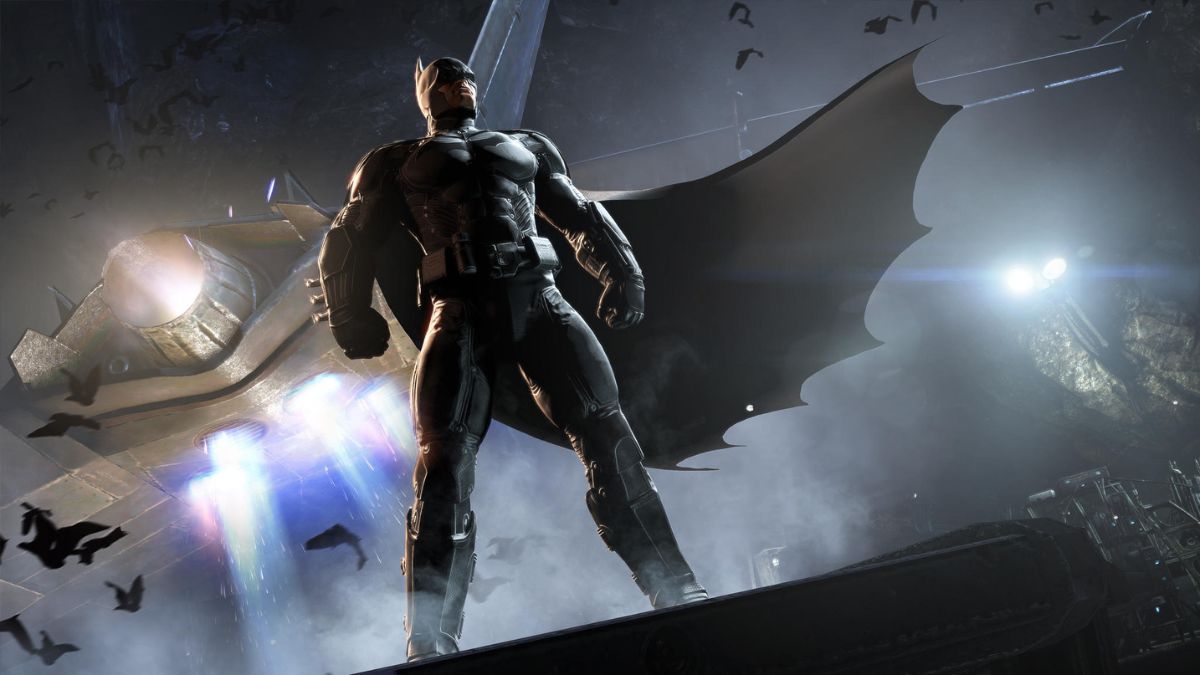
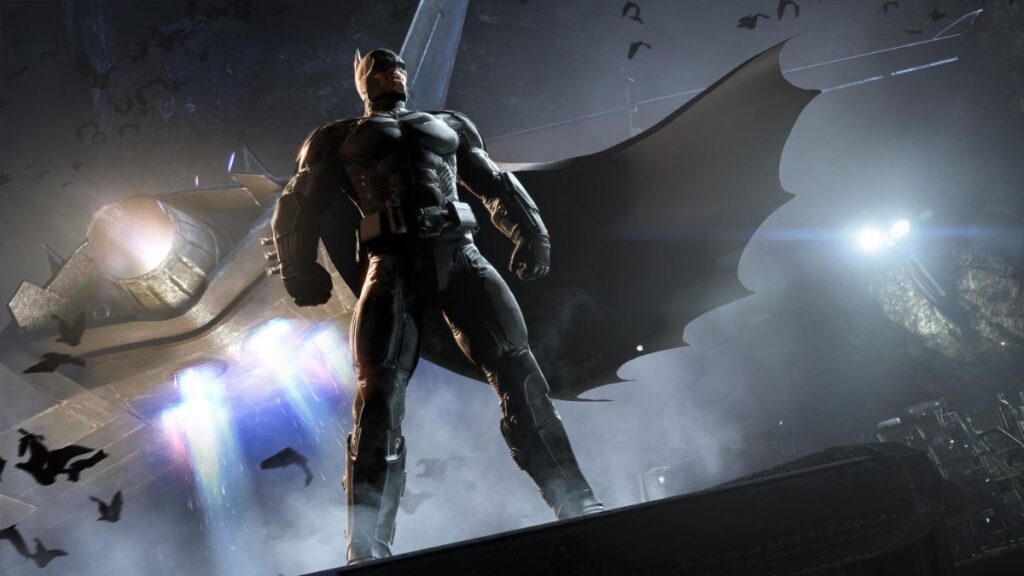
Success usually guarantees safety in the business world, but that rule apparently does not apply at Meta. Just months after delivering Batman: Arkham Shadow, widely considered one of the best Virtual Reality games ever made, the studio behind it has been decimated.
In a shocking turn of events that has left the gaming community reeling, Meta has reportedly laid off the vast majority of the staff at Camouflaj. This is the talented team that recently shipped the hit Batman game bundled with the new Quest 3S headset. If you are a VR enthusiast or a Batman fan, you need to know what this means for the future of your hardware.
What Happened to Camouflaj?
Reports surfaced earlier this week indicating that Meta’s latest round of layoffs hit their internal game studios harder than anyone expected. While Meta claims Camouflaj is still “open,” insider sources paint a much bleaker picture.
According to a detailed report from Aftermath, the studio has been reduced to a “skeleton crew.” The creative minds that built the immersive world of Gotham City in VR are largely gone. The few employees who remain are reportedly no longer making games. Instead, they have been reassigned to work on “user experience” for upcoming hardware.
This is a tragic fall for a studio that proved AAA gaming was possible on a standalone headset. Camouflaj wasn’t just a one-hit wonder, as they were also the veterans behind Iron Man VR and the stealth hit Republique.
The Batman Sequel is Likely Dead
Here is the most painful part for fans. Rumors had been circulating that a sequel to Batman: Arkham Shadow was already in development. Given the first game’s critical and commercial success, a follow-up seemed inevitable.
However, sources now reveal that this sequel was actually being developed by Sanzaru Games, another Meta-owned studio famous for Asgard’s Wrath 2. The bad news is that Sanzaru Games has been shut down entirely. Along with them, Meta also closed Armature Studio (creators of Resident Evil 4 VR) and Twisted Pixel.
With Sanzaru closed and Camouflaj gutted, the Batman: Arkham Shadow sequel appears to be canceled. The teams capable of building such a high-quality experience simply do not exist at Meta anymore.
Why is Meta Destroying its Best Studios?
You might be asking why a company would fire the people who just made them a massive amount of money. The answer lies in a major shift in strategy.
Meta is pivoting away from high-budget VR gaming. The company is moving its focus—and its billions of dollars—toward Artificial Intelligence (AI) and “wearables,” such as their Ray-Ban smart glasses. The “Metaverse” dream of immersive virtual worlds seems to be taking a backseat to the AI revolution.
The Reality Labs division has lost significant money over the years. To stop the financial bleeding, Meta decided to cut the most expensive part of the equation: the game developers. They are betting that the future is about mixed reality and AI assistants, not playing as superheroes in your living room.
What This Means for Quest Owners
If you recently bought a Meta Quest 3 or Quest 3S, this news is alarming. Batman: Arkham Shadow was the system seller. It was the proof that the headset could handle serious console-quality gaming.
With these premier studios gone, the pipeline for future AAA exclusives is broken.
- Fewer Blockbusters: We are likely to see fewer massive, story-driven games funded by Meta.
- Shift in Focus: The Quest platform may become more about media consumption and productivity than hardcore gaming.
- Indie Reliance: The future of VR gaming will now rest heavily on smaller indie developers, rather than massive first-party studios.
Conclusion
The layoffs at Camouflaj and the closure of Sanzaru Games mark the end of an era for Meta’s VR ambitions. It serves as a grim reminder that in the tech industry, artistic success does not always protect you from corporate restructuring. Batman: Arkham Shadow will remain a landmark title, but it now stands as a monument to a strategy that Meta has abandoned. For now, the Bat-Signal at Meta has been turned off, and the future of high-end VR gaming remains uncertain.
 Avik Roy Chowdhury