


 The TechQuilt
 - Iterative Refinement: The iPhone 17e functions as a direct evolution of the iPhone 16e, offering a stable, predictable update rather than a revolutionary shift in mobile hardware.
- Performance Imbalance: While it integrates the potent A19 chip, the inclusion of a 4-core GPU—a step down from the 5-core architecture in the standard iPhone 17—creates a noticeable ceiling for graphics-heavy tasks.
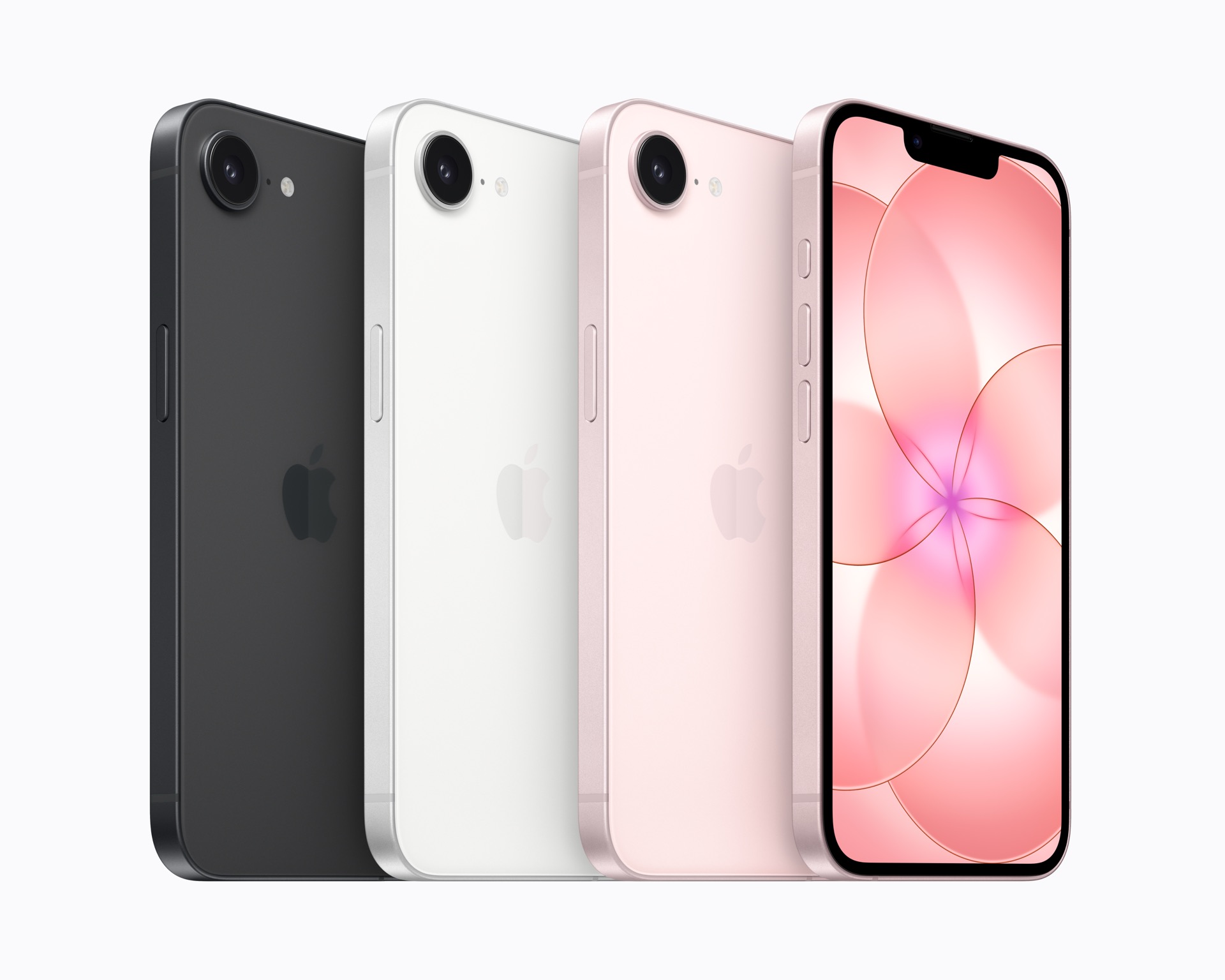
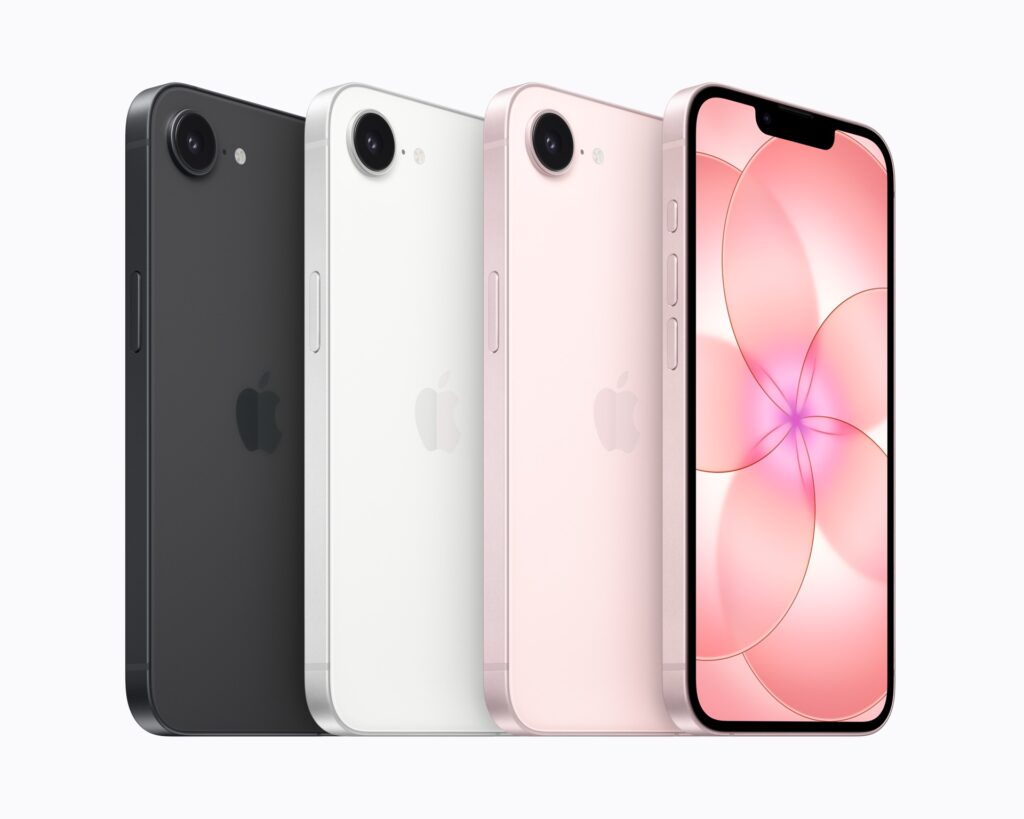
- Design Stagnation: In a disappointing move for 2026, the device regresses to a traditional notch, a decision that feels inconsistent with the modern, bezel-minimized design language currently defining the industry.
Key Technical Specifications
| Feature | Specification |
| Processor | Apple A19 |
| GPU | 4-Core GPU |
| Storage | 256GB (Base) |
| Charging | MagSafe Integrated |
| Display Cutout | Traditional Notch |
| Starting Price | $599 |
The Evolution of the “e” Series
The arrival of the iPhone 17e marks the latest chapter in Apple’s strategy to populate the entry-tier market with reliable, long-lifecycle hardware. Much like its predecessor, the iPhone 16e, this model is not designed to disrupt the flagship segment. Instead, it serves as a pragmatic replacement for those who require current-generation processing power without the premium attached to the standard iPhone 17 or Pro models. As an editor watching the trajectory of these devices, it is clear that the 17e is built on a foundation of incremental improvements rather than aggressive technical leaps.
Performance: The A19 Conundrum
At the heart of the device lies the A19 chip, which theoretically puts it in league with the premium 17-series. However, a deeper analysis reveals a calculated performance bifurcation. The CPU capabilities remain competitive, ensuring that multitasking and general system fluidity meet modern expectations. The caveat lies in the GPU. By opting for a 4-core GPU instead of the 5-core configuration found in the standard iPhone 17, Apple has effectively created a performance bottleneck. While casual users and professionals focused on text-based productivity or light media consumption may not feel the impact, this hardware limitation will be evident in sustained gaming sessions or intensive graphic rendering. It is a clear reminder that in the world of high-end manufacturing, silicon binning and deliberate capability capping remain the primary tools for segmenting the market.
A Lucrative but Dated Compromise
Despite these limitations, the iPhone 17e presents a lucrative value proposition. The decision to make 256GB the base storage capacity is a massive win for the average consumer, effectively eliminating the “storage anxiety” that often plagues base-model smartphones. The inclusion of MagSafe support further cements its place as a versatile device that integrates seamlessly into the broader Apple ecosystem of accessories.
However, we must address the elephant in the room: the notch. Transitioning into 2026, the design choice to abandon the Dynamic Island in favor of a traditional notch feels like a step backward. While cost-cutting is a reality of business, implementing an interface design that feels several years out of date undermines the premium aesthetic expected from a modern Apple device. It is a jarring visual experience that contrasts sharply with the sleek, modern interfaces users have become accustomed to.
Final Verdict: Is it Worth the Hype?
The iPhone 17e is a study in calculated trade-offs. It is not designed to win accolades for innovation, nor is it intended to capture the attention of power users who demand the absolute best in mobile graphics or display technology. If your priority is a device that offers robust, current-generation CPU performance, a generous storage floor, and the reliability of the Apple ecosystem for under $600, then this device hits the mark.
However, if you value modern aesthetics—specifically the refined UI integration of the Dynamic Island—or if you expect your smartphone to handle high-fidelity graphics with the same agility as the flagship models, the 17e will likely disappoint. It is a competent, functional device that feels slightly “stitched together” from bits of previous years’ design philosophies. For most, it is a practical purchase, but it lacks the excitement and refinement that usually accompany a new generation launch.
 Avik Roy Chowdhury