


 The TechQuilt
 Beyond the Blockade: Inside the US-Iran Port Siege and the Global Energy Fracture
- The Price of Conflict: Global oil prices have breached the $100-per-barrel ceiling as a direct result of failed peace talks and the ongoing U.S. blockade of Iranian ports.
- Logistical Lockdown: Since February 28, the Strait of Hormuz has become a maritime graveyard where hundreds of vessels sit at a standstill under threat of Iranian military action.
- Selective Diplomacy: While Asian stock markets plummet, a strategic “exception” has emerged, allowing only Indian and Malaysian vessels through the blockade, leaving the rest of the world’s supply chain paralyzed.
The global energy market is currently navigating its most treacherous waters in decades. What began as a diplomatic stalemate has spiraled into a full-blown maritime standoff at the world’s most vital chokepoint. For those of us who have spent decades tracking the ebb and flow of geopolitical volatility, the current situation in the Strait of Hormuz feels less like a temporary price spike and more like a fundamental fracturing of the global energy order. We are no longer just discussing “expensive” oil; we are witnessing a tactical siege that is fundamentally rewriting how—and to whom—the world’s most essential resource is delivered.
The Standard Consensus: A Global Supply Shock
The broader media narrative is currently hyper-focused on the immediate fallout of failed diplomacy. Most major outlets are reporting on the U.S. decision to maintain a hardline blockade on Iranian ports following the collapse of peace negotiations. The consensus is clear: the resulting surge in Brent Crude, now firmly established north of $100 per barrel, is an inflationary hammer blow to a global economy already teetering on the edge. Economists are largely in agreement that this is a classic supply-side crisis, triggered by a vacuum in Middle Eastern exports.
The Ground Reality: The Siege of Hormuz
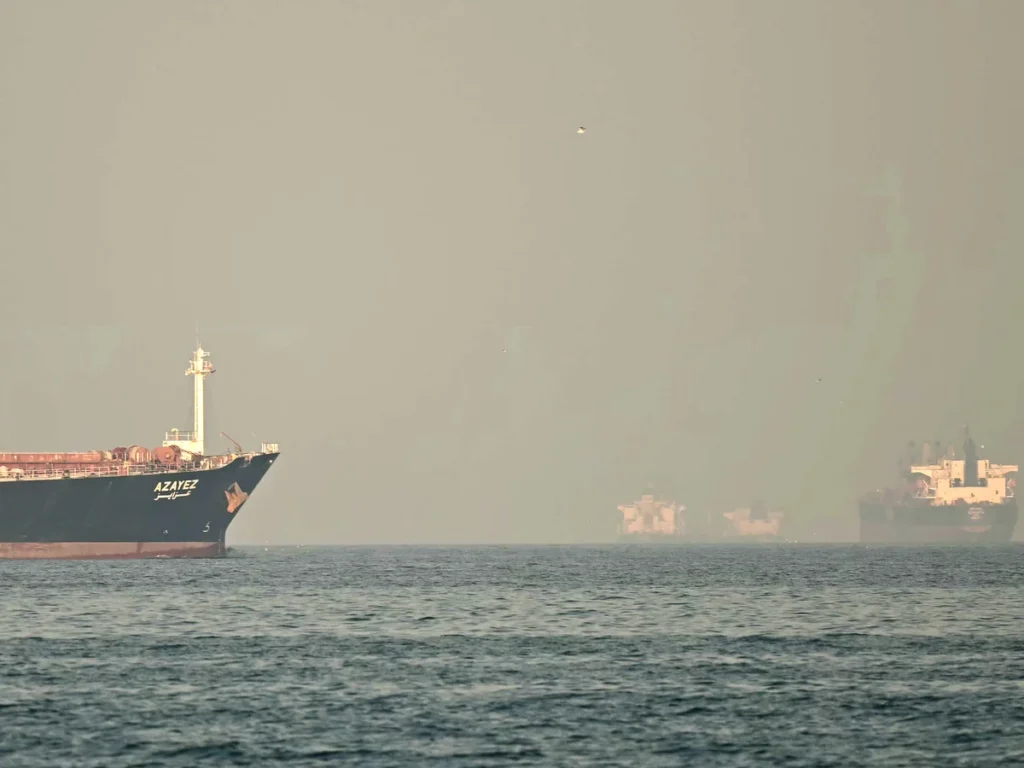
However, a deeper look at the logistical specifics reveals a far more complex—and dangerous—scenario that the mainstream press has yet to fully digest. Since the inception of this conflict on February 28, the Strait of Hormuz has effectively turned into a maritime parking lot. Hundreds of tankers are currently at a dead halt, paralyzed by a chilling Iranian ultimatum: any vessel attempting to traverse the strait without explicit permission faces the very real threat of direct military attack.
While the majority of Asian nations are reeling from these severed supply lines, a highly significant diplomatic “exception” has appeared. In a move that highlights the shifting tactical alliances in the East, ships flagged from India and Malaysia are currently being granted safe passage through the blockade. This selective enforcement suggests that Iran is leveraging its control over the waterway to maintain favor with specific regional partners while effectively starving the rest of the global market. For countries like Japan and South Korea, which rely almost entirely on Middle Eastern crude, the “outsource” model has shifted from a convenience to a catastrophe.
Economic Aftershocks Across Asia
The impact on the financial sector has been swift and brutal. We are seeing major Asian stock indexes trace a steep downward curve, a direct reflection of the absolute uncertainty surrounding the duration of this shipping disruption. Unlike previous oil shocks, there is no predictable “end date” here. As long as the U.S. blockade remains in place and the Strait remains under Iranian threat, the volatility is the only thing we can count on.
From a technical perspective, the market is currently unable to “price in” the risk because the variables are no longer purely economic—they are military. We aren’t just dealing with high prices; we are dealing with a physical inability to move product to the refineries that need it most.
Final Verdict: Is the Crisis Here to Stay?
In our view, we are entering a prolonged era of high-energy costs. The “diplomatic corridor” offered to India and Malaysia is a temporary bandage on a gaping wound. Until there is a fundamental breakthrough in U.S.-Iran relations, the $100+ oil price is not a spike—it is the new floor. For investors and consumers alike, the era of predictable energy logistics has been suspended. Expect continued volatility in Asian markets as long as the Strait remains a geopolitical hostage. This is no longer just a news story; it is a total recalibration of global power.