



 The TechQuilt
 Axial Seamount Awakens: A Giant Underwater Volcano May Erupt Soon
Deep beneath the waves off the Oregon coast lies a geological giant stirring. It’s the Axial Seamount, a massive underwater volcano now showing clear signs of an imminent eruption. Monitored closely by scientists, its activity provides a rare chance to study undersea volcanic behavior without jeopardizing coastal safety.
What’s Happening at Axial Seamount?
- Located roughly 300 miles west of Oregon and nearly 1 mile below sea level, the Axial Seamount is the most active submarine volcano in the Northeastern Pacific.
- Since monitoring began, it has erupted roughly every decade: 1998, 2011, and 2015.
- Current activity includes steady “inflation” of the seafloor, indicating magma accumulation, and thousands of small earthquakes daily, a classic eruption precursors.
- Scientists predict the next eruption could occur before the end of 2025.
Why This Matters (Even to Land-Lovers)
- No threat to human life or tsunamis: Its remote, deep-sea location means any eruption will stay confined to the ocean floor.
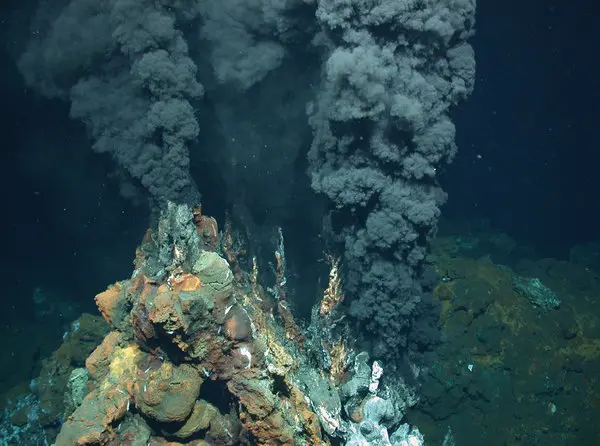
- Climate and geology insight: Each eruption reshapes the seabed, activates hydrothermal vents, and sustains unique microbes feeding on minerals, offering a window into Earth’s deep and extreme ecosystems.
- Scientific goldmine: Equipped with real-time monitoring via the Ocean Observatories Initiative, this is one of the most closely watched volcanoes on the planet.
A Closer Look: What the Data Reveals
- Inflation Patterns: Magma buildup is pushing the seafloor upward, similar to patterns before past eruptions.
- Seismic Signals: Hundreds to thousands of small quakes each day suggest magma movement underground.
- Ecosystem Effects: Eruptions could flush hydrothermal vents with mineral-rich fluids, essential for heat-loving microbes that thrive in extreme environments.
Conclusion: Why This Undersea Activity Captivates Us
The Axial Seamount is more than just an underwater volcano. It’s a scientific marvel showing us how Earth’s inner workings function below the waves. Though its eruption likely won’t touch us on land, the insights we gain could help predict eruptions in riskier environments and better understand life in extreme conditions.
 Avik Roy Chowdhury