


 The TechQuilt
 US Government Buys 10% Stake in Intel – A Game Changer for U.S. Chipmaking
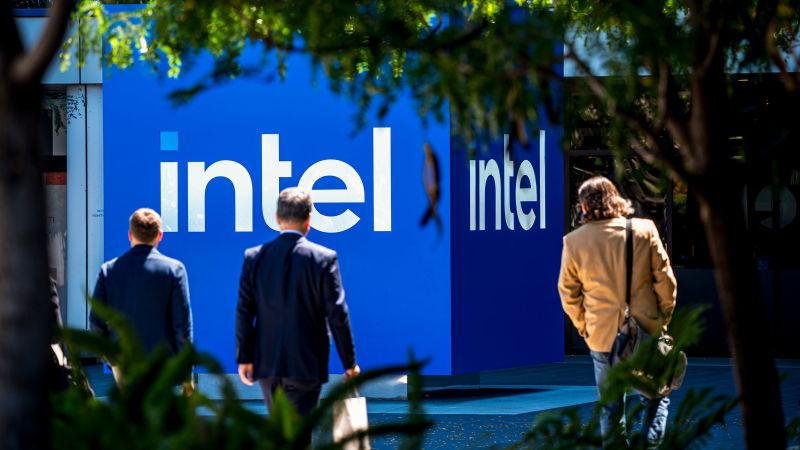
The U.S. government has officially purchased a 10% stake in Intel, marking a bold step to strengthen the country’s semiconductor industry. This move comes as part of the CHIPS Act equity conversion and reflects Washington’s growing role in securing domestic chip manufacturing.
Why Did the U.S. Invest in Intel?
Former President Donald Trump initially pressured Intel’s CEO Lip-Bu Tan to step down over alleged ties with China. But instead of a resignation, the White House struck a deal—turning government grants into an equity stake.
Through this deal, the U.S. now owns 9.9% of Intel, worth nearly $8.9 billion. The government is paying $20.47 per share, below the current market price, giving it access to 433 million Intel shares.
How the Deal Was Funded
The money for this stake came from funds that were already promised:
- $5.7 billion from the CHIPS Act
- $3.2 billion from the Secure Enclave program
Why This Matters for the Semiconductor Industry
Intel has been struggling to compete with global rivals like TSMC and Samsung. With this new backing, Intel can:
- Expand U.S. chip manufacturing plants
- Invest in advanced research and development
- Compete more aggressively in the global semiconductor race
This aligns with Washington’s long-term strategy to reduce dependence on Asian chipmakers and strengthen America’s tech security.
What Intel’s CEO Said
Intel CEO Lip-Bu Tan welcomed the move, saying:
“We are grateful for the confidence the president and the administration have placed in Intel. This will allow us to accelerate our plans and secure U.S. leadership in semiconductor technology.”
This shows a strong partnership between Intel and the U.S. government at a time when technology and politics are more connected than ever.
The Controversy Around the Deal
While the U.S. government now owns nearly $10 billion of Intel stock, the stake is non-voting. That means Washington won’t have a direct say in company decisions or boardroom matters.
However, critics argue that such investments blur the lines between free-market capitalism and government intervention. Some analysts fear it could set a precedent where politics heavily influences business.
The Bigger Picture – A Trend of Government Stakes
This deal with Intel is not an isolated case. Similar steps are being considered with other tech giants like Nvidia and AMD, as well as key industries like U.S. Steel.
The goal is clear: to protect strategic industries, reduce foreign dependence, and ensure America remains a leader in technology.
Conclusion
The U.S. government’s 10% stake in Intel is more than just a financial deal. It’s a signal of how critical semiconductors have become for national security and global power.
For Intel, this brings much-needed funds to reclaim its dominance in chipmaking. For Washington, it’s a strategic bet on America’s technological future.
As the semiconductor war heats up, one thing is clear: the future of chips is no longer just about business. It’s about geopolitics, security, and global influence.