

 The TechQuilt
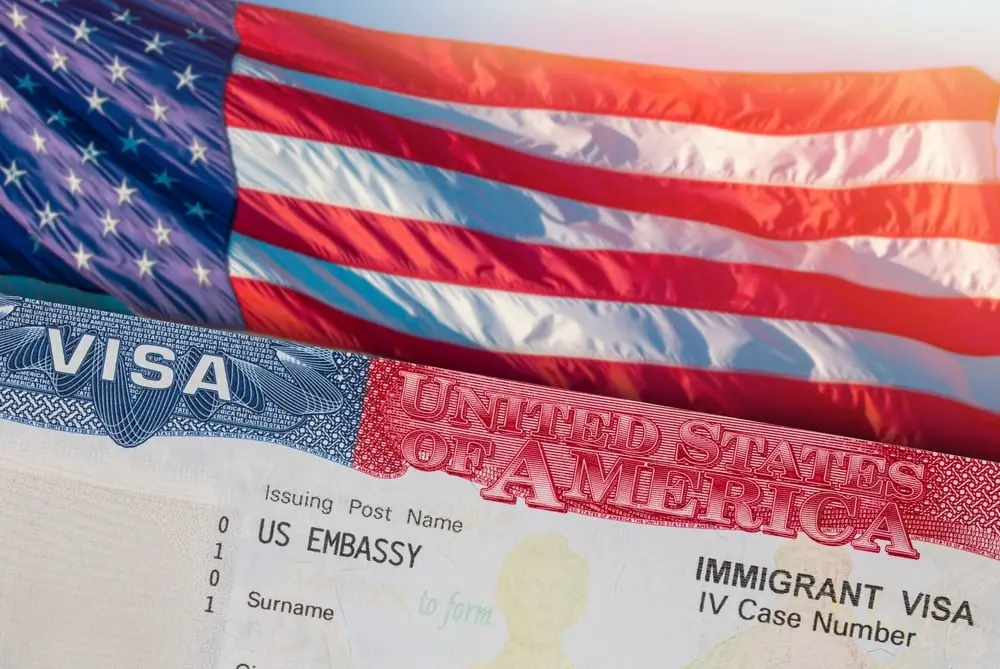
 Imagine preparing for your dream education or career in the United States, only to find out your visa will no longer last as long as your studies or assignment. That may soon become reality. The Trump administration has proposed a major change to international student visas, exchange visitor visas, and journalist visas, which could affect millions of people worldwide.
What the New Visa Proposal Says
The U.S. Department of Homeland Security (DHS) has introduced a proposal to replace the current “duration-of-status” system with fixed terms. This means:
- F-1 student visas and J-1 exchange visitor visas will be limited to four years maximum.
- I-visas for foreign journalists will be capped at 240 days, and only 90 days for Chinese reporters.
- After these terms, applicants must reapply for an extension, a process that could add stress and uncertainty for students and professionals alike.
Why Is DHS Making This Change?
According to DHS, the move is designed to:
- Reduce visa abuse
- Strengthen oversight and monitoring of non-immigrants
- Prevent individuals from overstaying visas without proper checks
Impact on International Students
The U.S. has long been a global leader in higher education, with more than 1.6 million international students holding F-1 visas in 2024. For many, the flexibility of “duration-of-status” allowed them to stay until completing their programs. Under the new rules:
- Students may feel pressured to finish degrees within fixed timelines.
- Delays caused by research, medical issues, or course changes could become a problem.
- Universities worry this may discourage international enrollment, leading to financial and academic setbacks.
What About Media Professionals?
The proposal doesn’t just affect students. Foreign journalists on I-visas will now face stricter limits. While they previously enjoyed multi-year stays, they will soon be restricted to 240 days, or 90 days if from China. This could disrupt long-term reporting projects and affect press freedom.
Public Response and Next Steps
It is important to note that these rules are still in the proposal stage. The U.S. government has opened a 30-day public comment period, where universities, advocacy groups, and individuals can share feedback before the policy becomes law.
This means there is still time for international communities to raise concerns about the potential impact on education, media freedom, and U.S. competitiveness.
Conclusion
The Trump administration’s proposal to set fixed terms for student, exchange, and journalist visas marks a significant shift in U.S. immigration policy. While aimed at controlling visa misuse, it could also make the U.S. less attractive to international talent.
For now, students, universities, and professionals should stay informed, prepare for possible changes, and participate in the public comment process. What happens in the coming weeks could shape the future of U.S. education, journalism, and international exchange programs for years to come.
 Avik Roy Chowdhury