


 The TechQuilt
 Voyager 1 Sends Back a Signal That Changes Everything: NASA Engineers Pull Off a Deep-Space Miracle
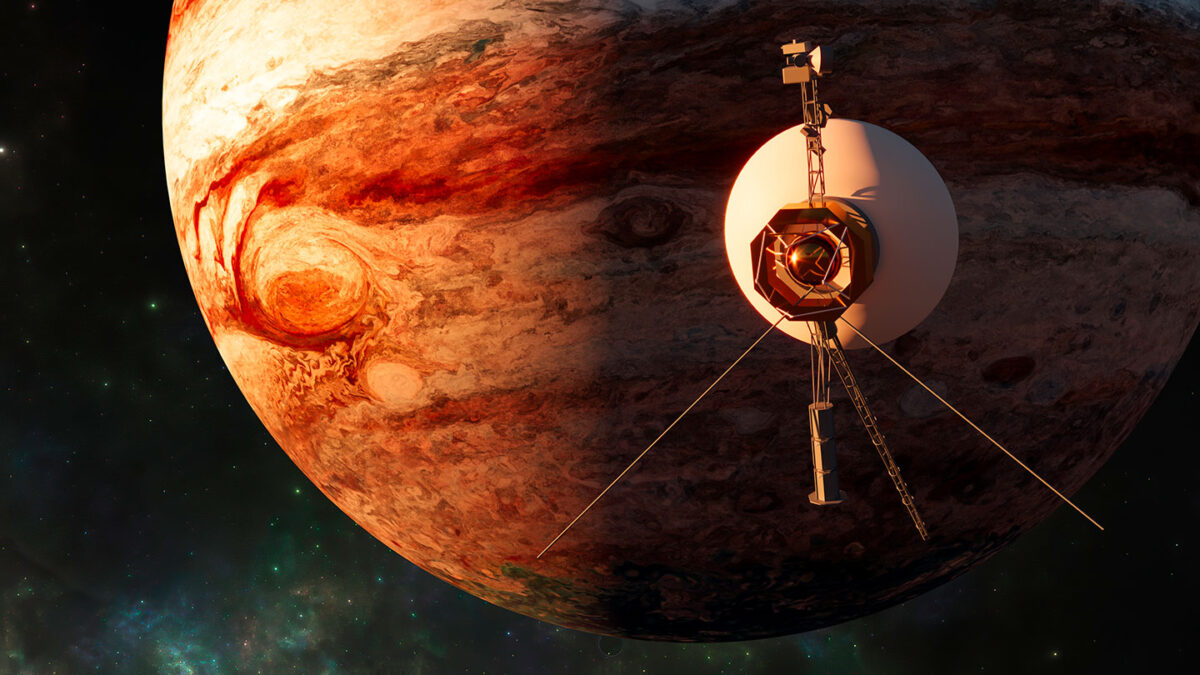
When a spacecraft launched in 1977 still manages to surprise the world in 2025, you know it’s something extraordinary. That is exactly what happened with Voyager 1, the most distant human-made object in space, which recently sent back an unexpected signal that left even NASA engineers stunned. After months of silence and scrambled data, Voyager 1 is once again communicating clearly and it has NASA’s brilliant team of engineers to thank for this remarkable comeback.
The Problem That Silenced Voyager 1
In late 2023, Voyager 1 started sending back garbled data, making it impossible for scientists to read its status. The issue was traced to its Flight Data Subsystem (FDS), the system responsible for packaging science and engineering information before transmitting it to Earth. After 47 years of deep-space travel, a memory chip failure was the likely culprit. Many feared this could be the end of the mission.
But instead of giving up, NASA’s engineers came up with a clever solution. They rewrote and shifted the faulty code into different sections of the spacecraft’s memory, bypassing the damaged chip. This allowed Voyager 1 to resume sending clear and useful information about its health and surroundings, an achievement many are calling one of the most impressive space fixes ever made.
Thrusters Reactivated After Decades
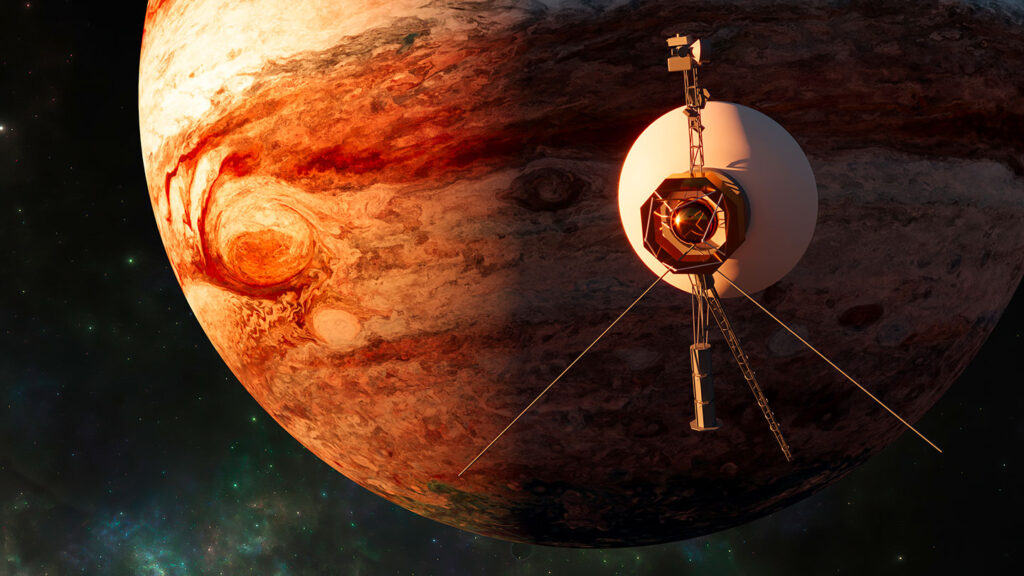
As if that was not enough, NASA also managed to revive Voyager 1’s primary thrusters, which had not been used in over 20 years. A heater malfunction had disabled them, raising concerns that the probe might lose the ability to stay aligned with Earth.
Through a delicate series of commands sent across more than 15 billion miles, engineers reactivated the thrusters and restored their heater circuits. This ensured that Voyager 1 can keep its antenna pointed at Earth and continue transmitting data. One NASA official described it as “yet another miracle save” in a mission full of miracles.
Why Voyager 1 Still Matters
You might wonder why so much effort goes into saving such an old spacecraft. The answer is simple—Voyager 1 is our only working probe in interstellar space. It is traveling beyond the influence of the Sun, sending back unique information about cosmic rays, magnetic fields, and the environment between the stars.
Every signal received from Voyager 1 is a treasure, offering insights no other spacecraft can provide. Its survival proves not just the strength of 1970s engineering, but also the creativity of today’s scientists who keep it alive.
What’s Next for Voyager 1?
Now that communication has been restored, NASA plans to carefully bring back more of Voyager 1’s science instruments. With limited power left, engineers must make tough choices about which systems to keep running. Still, the mission continues to defy expectations and could last several more years.
Conclusion
Voyager 1’s latest revival is more than just a technical fix, it is a story of persistence, creativity, and human curiosity. Against all odds, a spacecraft launched nearly five decades ago continues to explore the unknown and send back data from the edge of interstellar space. As Voyager 1 sails deeper into the cosmic ocean, it reminds us that no distance is too great, and no challenge is too impossible, when human ingenuity is at work.