


 The TechQuilt
 SpaceX Launches Cygnus NG-23 Cargo Mission to International Space Station
Space exploration has taken another giant leap forward as SpaceX successfully launched Northrop Grumman’s Cygnus NG-23 cargo spacecraft to the International Space Station (ISS). This mission is not just another supply run, but a major milestone showcasing the growing role of commercial spaceflight, reusable rockets, and international collaboration in shaping the future of space travel.
SpaceX Falcon 9 Successfully Lifts Off
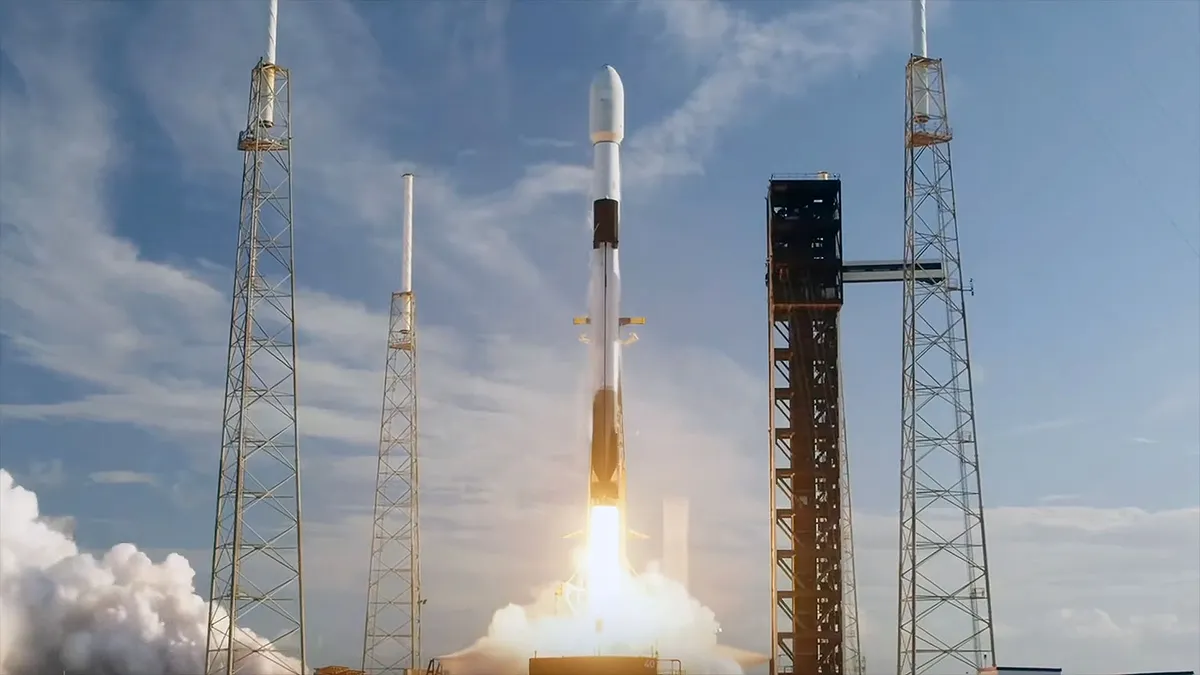
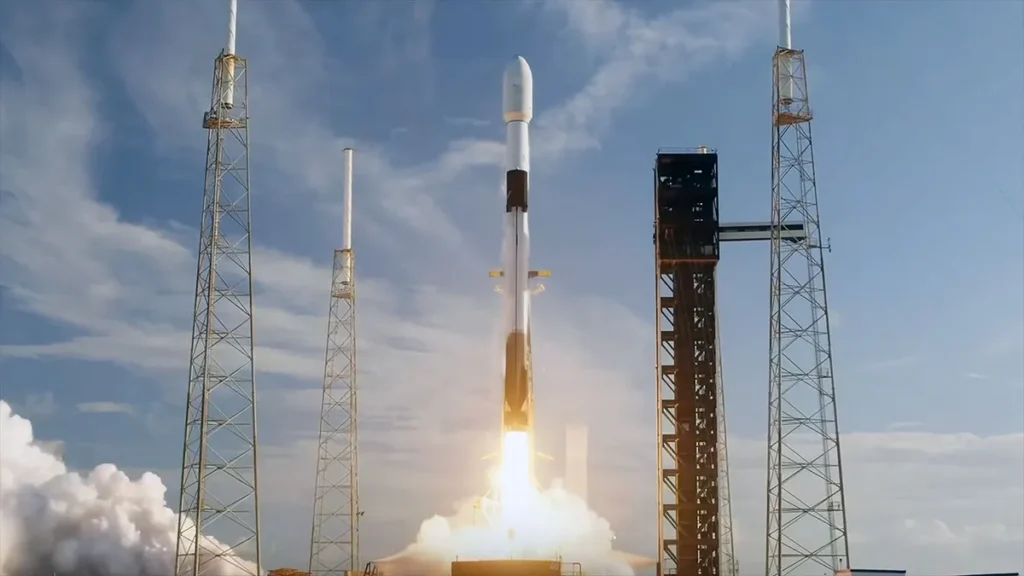
On September 14, 2025, a Falcon 9 rocket blasted off from Cape Canaveral Space Force Station in Florida, carrying Northrop Grumman’s largest-ever Cygnus spacecraft, the Cygnus XL. The rocket performed flawlessly, boosting the spacecraft into orbit on its way to the ISS.
This mission, officially named NG-23, marks the 23rd cargo delivery Northrop Grumman has provided for NASA. What makes it special is that this is the first time the upgraded Cygnus XL is being used, a version designed to carry significantly more cargo than its predecessors.
What the Cygnus XL Cargo Ship is Delivering
The Cygnus XL carried over 11,000 pounds (4,990 kg) of cargo, making it one of the heaviest supply shipments to the ISS. The payload is packed with scientific experiments, life-support essentials, and advanced technology to support both astronauts and groundbreaking research.
Key items inside include:
- Semiconductor crystal growth materials to study how electronics can be improved in space conditions
- Advanced cryogenic fuel tank technology that will be crucial for future deep space missions
- A UV water purification system designed to prevent microbial growth and ensure safe drinking water on long space journeys
- Pharmaceutical crystals aimed at advancing treatment for cancer and other diseases
Every experiment on this mission has the potential to impact space exploration and human life on Earth, making it one of the most meaningful resupply flights yet.
Honoring Astronaut Willie McCool
In keeping with tradition, each Cygnus spacecraft is named after a fallen space hero. This one carries the name S.S. William “Willie” McCool, honoring the astronaut who tragically lost his life in the Columbia Space Shuttle disaster in 2003. This tribute ensures his legacy continues to inspire new generations of explorers.
Arrival at the International Space Station
The Cygnus XL is set to reach the ISS on September 17, 2025. Instead of automatic docking, astronauts aboard the station will use the Canadarm2 robotic arm to capture the spacecraft and attach it to the station. NASA will livestream the entire process, allowing space enthusiasts around the world to witness history in the making.
Why This Mission Matters
The launch of the Cygnus NG-23 represents more than just cargo delivery. It highlights the importance of commercial partnerships in space exploration. With SpaceX providing reliable Falcon 9 launches and Northrop Grumman expanding the capabilities of the Cygnus spacecraft, NASA can focus more resources on its long-term goals like Artemis missions to the Moon and eventually human missions to Mars.
This mission also underscores how reusable rocket technology is cutting costs, improving efficiency, and making space more accessible than ever before. The Falcon 9’s booster is expected to be reused, continuing SpaceX’s track record of revolutionizing space logistics.
Conclusion
The successful launch of the Cygnus NG-23 cargo mission proves once again that we are living in the golden age of commercial spaceflight. By delivering critical experiments, technology, and supplies to the ISS, this mission strengthens both science and international cooperation in orbit.
With experiments that could reshape semiconductors, pharmaceuticals, and fuel systems, the impact of this mission may be felt far beyond the ISS. It paves the way for a future where private companies and government agencies work hand in hand to unlock the mysteries of space.


 Avik Roy Chowdhury