
 The TechQuilt
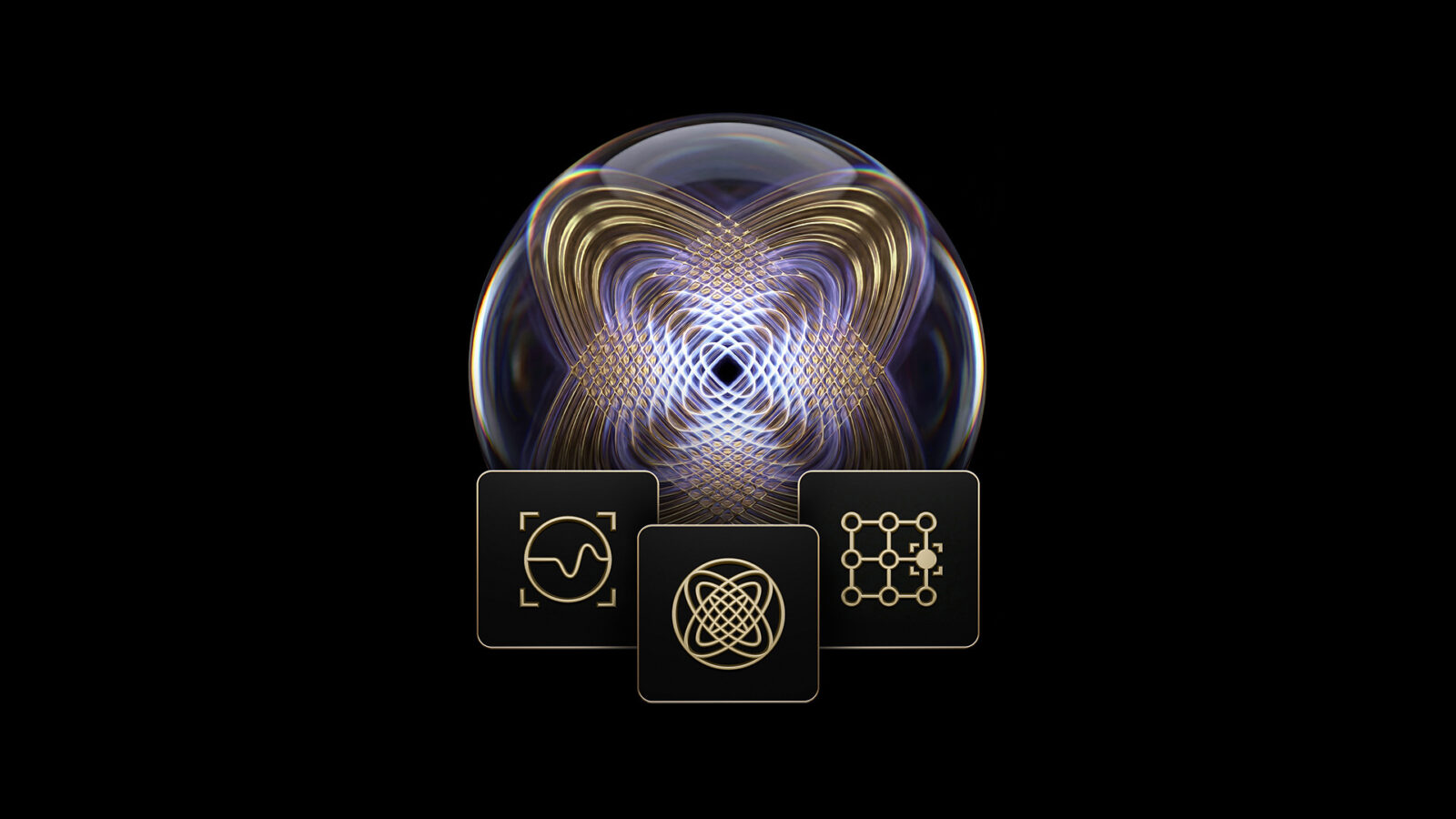
 - The Big Reveal: NVIDIA Ising has officially launched, debuting as a new family of open-source AI models built specifically to accelerate the development and operational stability of quantum computers.
- Massive Performance Leap: The NVIDIA Ising model bypasses traditional calibration and error-correction methods, delivering processing capabilities that are 2.5 times faster and 3 times more accurate.
- Heavyweight Adoption: Top-tier global institutions, including Harvard, Fermi National Accelerator Laboratory, and IQM Quantum Computers, are already utilizing this framework to manage their quantum hardware.
The Quantum Bridge We’ve Been Waiting For
NVIDIA Ising has just shifted the entire landscape of advanced computing. If you’ve spent over three decades walking the floors of tech conferences and watching the silicon industry evolve from bulky mainframes to the modern AI era, you develop a sixth sense for genuine paradigm shifts. Quantum computing has been the elusive “next big thing” for years, persistently hitting a wall of instability and hardware noise. Now, the industry giant is throwing its massive weight into the ring, not with new qubits, but with the algorithmic glue needed to hold them together. Welcome back to The TechQuilt Media, where today we are breaking down a launch that might finally push quantum computing out of the theoretical lab and into the enterprise data center.
The standard consensus echoing across the wire today is straightforward: the NVIDIA Ising launch provides open-source AI models designed to solve quantum error correction and processor calibration. Most mainstream outlets are viewing this simply as a logical extension of current market dominance—an attempt to use their artificial intelligence expertise to act as the future operating system for hybrid quantum-classical computing. But looking past the standard press releases, there are critical technical nuances that dictate exactly why this rollout changes the immediate timeline.
We are seeing these AI models deployed with a highly specific mandate: to clear the path toward practical quantum computers and to massively accelerate the results researchers can extract from them. The name of the model, NVIDIA Ising, is not just a catchy corporate moniker. It is directly named after the landmark mathematical model that fundamentally simplified our understanding of complex physical systems. It is a fitting, brilliant tribute for a tool designed to decode the chaotic behavior of quantum states.
What makes NVIDIA Ising a genuine breakthrough, rather than just another software update, are the hard metrics. In the notoriously difficult arena of quantum error correction, it has been proven to be 2.5 times faster and 3 times more accurate than all the traditional open-source methods currently relied upon by the industry. When dealing with fragile qubits that degrade in microseconds, that kind of speed and precision is the definitive difference between a failed calculation and a successful quantum operation.
Furthermore, this isn’t vaporware waiting for early beta testers. The industry is already pivoting. The top enterprises and academic institutions currently adopting the NVIDIA Ising architecture include Academia Sinica, Fermi National Accelerator Laboratory, Harvard John A. Paulson School of Engineering and Applied Sciences, Infleqtion, IQM Quantum Computers, Lawrence Berkeley National Laboratory’s Advanced Quantum Testbed, and the U.K. National Physical Laboratory (NPL). When laboratories of this caliber abandon their legacy systems for a new framework, it signals a permanent industry shift.
Final Verdict
Is NVIDIA Ising worth the current hype? Absolutely. For years, the quantum sector has been trying to brute-force its way to stability by simply adding more hardware. This approach is far more elegant: using highly optimized AI to understand and correct the physical hardware in real-time. By bridging unparalleled artificial intelligence architectures with the chaotic frontier of quantum mechanics, this launch has just accelerated the timeline for useful quantum computing by years. This isn’t just another product update; it is the critical software foundation the quantum industry has been desperately waiting for.