

 The TechQuilt
 The Geminid Meteor Shower 2025 Peaks Tonight: Your Ultimate Guide to the Best Light Show of the Year
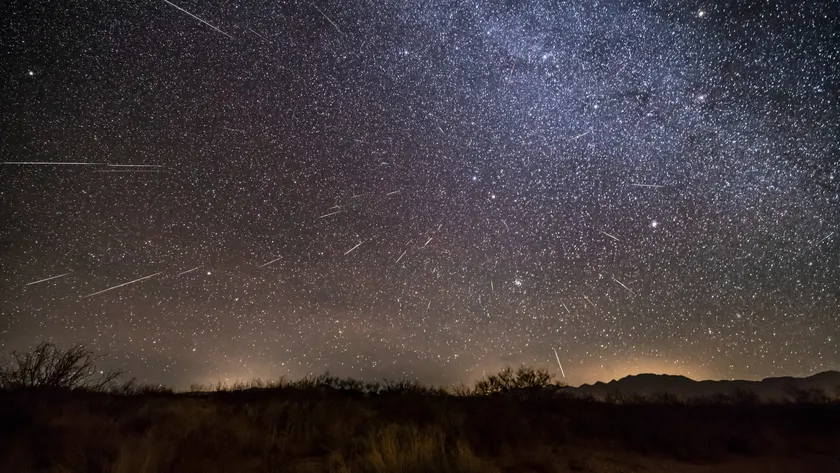
Stop scrolling for a moment and look at the date. It is December 13, and if you are a fan of space, nature, or just beautiful things, tonight is arguably the most important night of the year. The 2025 Geminid meteor shower is officially here, and it is peaking right now. While other meteor showers might get more press, the Geminids are the crown jewel of the night sky, known for producing bright, intense, and colorful shooting stars.
If you have ever wanted to wish upon a star, tonight is your chance to do it a hundred times over. This isn’t just a subtle twinkle in the darkness, it is a full-blown celestial fireworks display. Whether you are an astronomy pro or just someone stepping out onto their balcony, this guide will ensure you don’t miss a single second of the action.
Why Are the Geminids So Special?
Most meteor showers are created by icy comets that leave trails of dust as they orbit the sun. When Earth passes through that dust, we see meteors. The Geminids, however, are different. They are the weirdos of the solar system. They originate from an object called 3200 Phaethon, which is actually an asteroid or a “rock comet.”
Because these meteors come from rock rather than soft ice, they are denser and tougher. This means they can dive deeper into Earth’s atmosphere before burning up. The result is spectacular. Geminid meteors tend to be slower, brighter, and can even appear in colors like yellow, green, or blue. They create long, glowing arcs across the sky that linger for a split second longer than your average shooting star. This makes them much easier to spot, especially for children or first-time viewers.
When exactly should you watch?
Timing is everything in astronomy. The shower is active for a few weeks, but the peak is when the real magic happens. The absolute best time to watch the Geminid meteor shower falls overnight from Saturday, December 13, into the early morning of Sunday, December 14.
You can start watching as early as 9:00 p.m. or 10:00 p.m. local time, which is great news for those who cannot stay up all night. At this hour, the meteors catch the atmosphere at a shallow angle, creating “earthgrazers.” These are long, slow-burning meteors that streak horizontally across the sky.
However, if you want the full experience, patience pays off. The shower reaches its maximum intensity around 2:00 a.m. local time. At this point, the radiant point in the constellation Gemini is high overhead, and under dark skies, you could witness up to 150 meteors per hour. That is more than two shooting stars per minute!
Essential Viewing Tips for 2025
You do not need a telescope or binoculars. In fact, using them is a bad idea because they limit your field of view. You just need your eyes. Here is how to get the best view:
- Escape the Light: Light pollution is the enemy. If you live in a city, try to drive to a darker area like a park or the countryside. The darker the sky, the more faint meteors you will see.
- Ditch the Phone: This is the hardest part. It takes your eyes about 20 to 30 minutes to fully adjust to the dark. If you look at your bright phone screen to check a text or snap a photo, you reset that clock instantly. Put the phone in your pocket and let your eyes do the work.
- Dress Warmly: It is December, and you will be standing or lying still for a long time. The cold sneaks up on you quickly. Wear layers, bring a blanket, and maybe a thermos of coffee or hot chocolate.
- Look Up, Not East: While the meteors radiate from the constellation Gemini (near the bright stars Castor and Pollux), they can appear anywhere. If you stare directly at Gemini, the meteors will look like short dashes. If you look slightly away from the radiant point, you will see the spectacular long trails.
What About the Moon?
Every year, skywatchers worry about the moon washing out the show. Fortunately, 2025 offers decent conditions. A waning crescent moon will rise later in the night, but it is not bright enough to ruin the spectacle. You will still have plenty of dark sky to enjoy the show.
For those who want to plan their night down to the minute, you can find precise details in this report on the best time to watch the Geminid meteor shower peak Dec 13-14 2025 which breaks down exactly when the radiant point is highest in your sky.
Conclusion
The Geminid meteor shower is a reminder of how dynamic and beautiful our universe is. It is free, it is accessible to everyone, and it only happens once a year. Tonight, the cosmos is putting on a performance that rivals any holiday light display. So grab a blanket, call a friend, and head outside. The sky is waiting for you, and trust me, you won’t want to miss this.