



 The TechQuilt
 Elon Musk Slams OpenAI, Says It’s “Built on a Lie” — The Full Story Behind the Controversy
The ongoing war of words between Elon Musk and OpenAI has once again grabbed global headlines. The Tesla and SpaceX CEO has accused OpenAI, the creator of ChatGPT, of betraying its founding mission. According to Musk, the company is “built on a lie” and has strayed far from its original goal of making artificial intelligence benefit all of humanity.
Elon Musk’s Explosive Claim
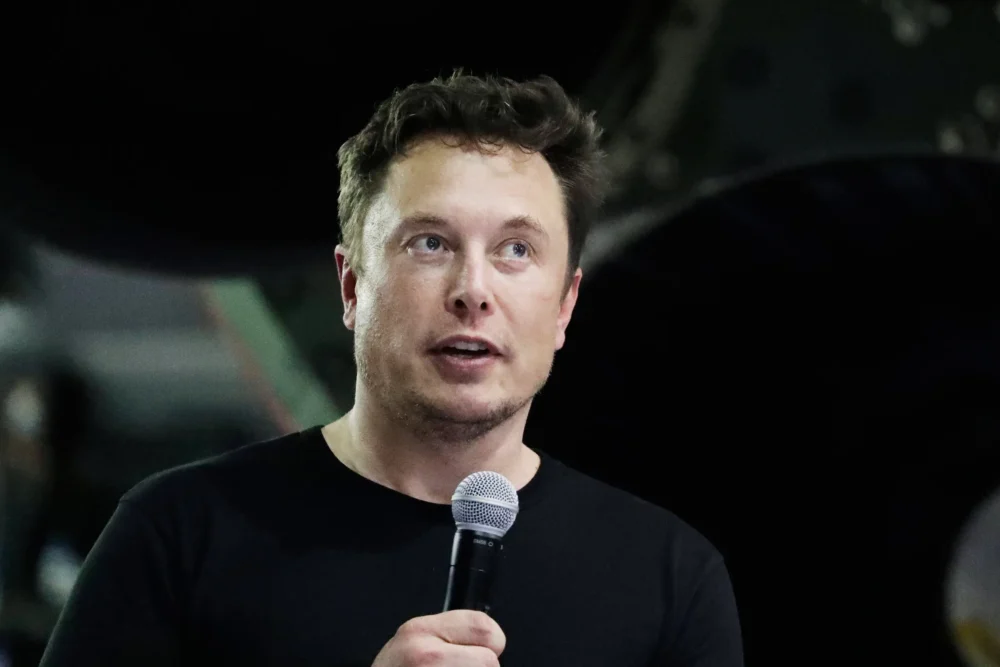
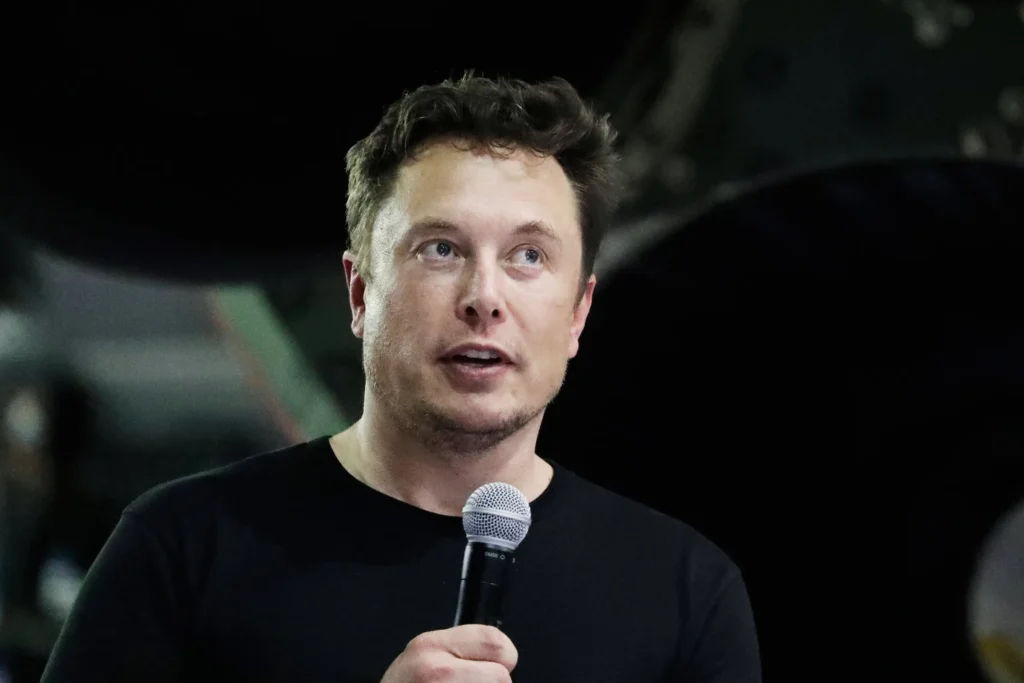
Musk made the bold accusation on X (formerly Twitter) while replying to a post by former OpenAI board member Helen Toner. His statement read, “OpenAI is built on a lie,” followed by, “They stole a charity and used it for their own financial gain.”
How OpenAI Was Founded
OpenAI was established in 2015 by Elon Musk, Sam Altman, and several other prominent figures from Silicon Valley. It was initially a nonprofit research lab with a noble mission — to ensure that artificial intelligence benefits all of humanity. The founders wanted to create a transparent, open platform that would share AI advancements freely.
However, over time, OpenAI transitioned to a “capped-profit” model. This shift allowed it to secure funding from large corporations, including Microsoft, which invested billions into the company. According to critics, this move diluted OpenAI’s nonprofit values and turned it into a commercial enterprise.
Why Musk Is Angry
Musk, who left OpenAI’s board in 2018, has repeatedly accused the organization of abandoning its original mission. He argues that OpenAI has now become a closed-source, profit-driven company, completely opposite to what it promised at its inception.
In his latest outburst, Musk claimed that the organization’s current structure and operations reflect corporate greed rather than ethical AI development. His comments have sparked renewed discussions about AI transparency, data privacy, and the future of artificial intelligence.
OpenAI’s Defense
OpenAI has consistently defended its decision to adopt a hybrid structure. The company says the “capped-profit” model is necessary to attract investments and talent, which are essential to building advanced AI safely. OpenAI insists that its mission to make AI beneficial and safe for humanity remains unchanged.
Still, many in the tech community side with Musk, arguing that AI companies must remain open and accountable. The debate between AI innovation and ethical responsibility has never been more relevant.
The Bigger Picture — Why It Matters
Musk’s accusations are not just about OpenAI; they raise important questions about who controls artificial intelligence and who benefits from it. If AI continues to evolve under corporate influence, will it still serve humanity’s best interests?
This controversy also comes at a time when governments worldwide are working on AI regulation frameworks to ensure that advanced systems like ChatGPT, GPT-4, and DALL·E are used responsibly.
What’s Next for OpenAI and Elon Musk
As of now, OpenAI has not directly responded to Musk’s latest claims. However, this public confrontation could push the company to clarify its stance or take steps to rebuild trust. Industry experts believe Musk’s remarks might also influence investors, researchers, and policymakers in the AI space.
Conclusion
Elon Musk’s statement that “OpenAI is built on a lie” has once again brought the spotlight back to the ethical challenges in artificial intelligence. Whether you agree with him or not, his words highlight a vital issue — the balance between innovation and integrity.
As the AI race heats up, the world will be watching closely to see if OpenAI can stay true to its mission or if Musk’s warnings prove right.

 Avik Roy Chowdhury