


 The TechQuilt
 A Night of Devastation: Russia’s Unprecedented Strike
In a deeply unsettling escalation of the Russia–Ukraine war, Russia unleashed a massive overnight assault on Ukrainian territory, deploying hundreds of drones and dozens of missiles in a bold strike that targeted both infrastructure and civilian areas. According to Ukrainian officials, more than 476 drones and 48 missiles were launched in the attack.
The sheer scale of this operation marks one of the largest aerial offensives since the war began. It wasn’t just a military strike, it was a signal of increasing intensity, an alarm bell for Ukraine and its allies.
What Happened — At a Glance
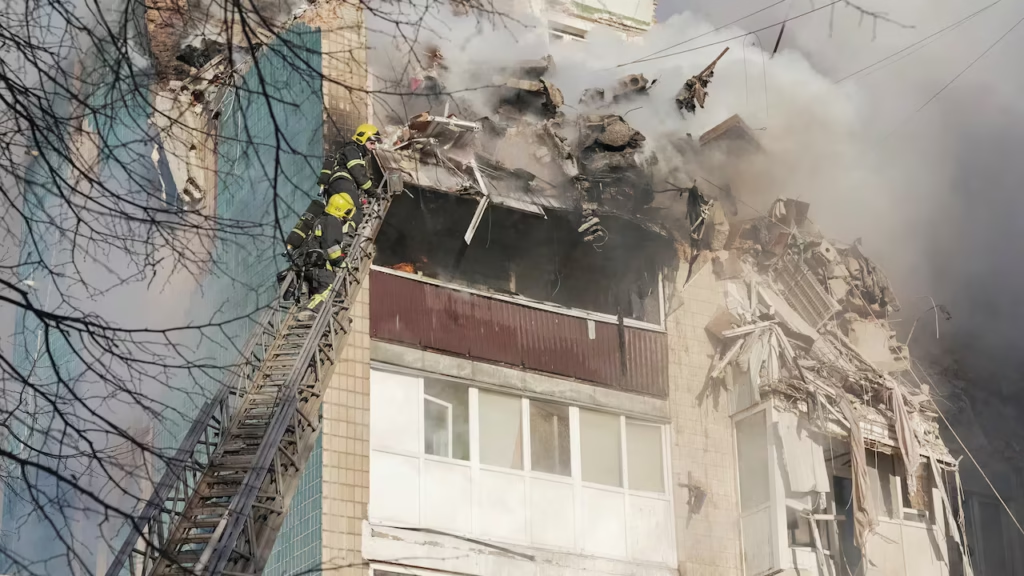
- The assault hit regions across Ukraine, including western cities such as Ternopil, where apartment blocks were destroyed and explosions lit the dawn.
- Reports indicate at least 10 people killed and dozens wounded in these attacks.
- Ukraine’s air force claims to have shot down 442 drones and 41 missiles in the barrage, yet many still got through.
- Authorities warned of severe damage to civilian housing and infrastructure, with large fires raging and chlorine levels spiking in the air following the blast in Ternopil.
Why This Attack Matters
1. A shift in scale and strategy. The use of hundreds of drones alongside missiles shows that Russia is ramping up its blend of air and unmanned weapon systems. This isn’t business as usual.
2. Civilians and infrastructure are at risk. By targeting residential buildings and energy systems, the war’s humanitarian toll rises, especially as winter approaches.
3. Political and diplomatic implications. The attack erupted even while Ukrainian President Volodymyr Zelenskyy was travelling to Turkey for talks, underlining how fragile any peace process may be amid continued violence.
What This Means for Ukraine’s Future
For Ukraine, this moment is a test of resilience. The destruction of homes and infrastructure hits communities hard. On the strategic front:
- Ukraine will likely seek more air-defense systems and support from its Western allies.
- The risk of escalation grows, as attacks become larger and more destructive, the international community must grapple with tougher choices.
- Energy and civilian infrastructure become even bigger targets, meaning humanitarian needs will surge.
What You Should Know As a Global Observer
- Stay alert to news of criticisms of civilian targeting and allegations of war-crimes; these carry weight in diplomacy and international justice.
- Understand that drones are no longer just reconnaissance tools, they’re being used en masse and for strike operations.
- Watch how global powers react: sanctions, military aid, and peace talks all shift in response to battles like this.
Conclusion
What unfolded overnight was not just another military strike, it was a watershed moment in the Russia-Ukraine war. The scale, targets, and timing all point to a conflict that is growing in intensity and raising the stakes for civilians, governments, and global diplomacy. For Ukraine, the challenge now is to respond — militarily, politically, and in protecting its people. For the world watching, the message is clear: the war has entered a new phase, and staying informed has never been more vital.